How do I choose the right weight for casting?
"The distance of a cast is often dictated by the weight of the lead, but the strength of the line determines whether you bring the prize home."
Surf fishing requires a balance of heavy tackle and precise casting techniques to reach productive waters from the shoreline. To succeed, you must select appropriate weights, prepare a strong rig, and manage the tension of the line during a heavy strike.
This guide covers weight selection, shockleader formulas, and handling common mid-Atlantic species.
How do I choose the right weight for casting?
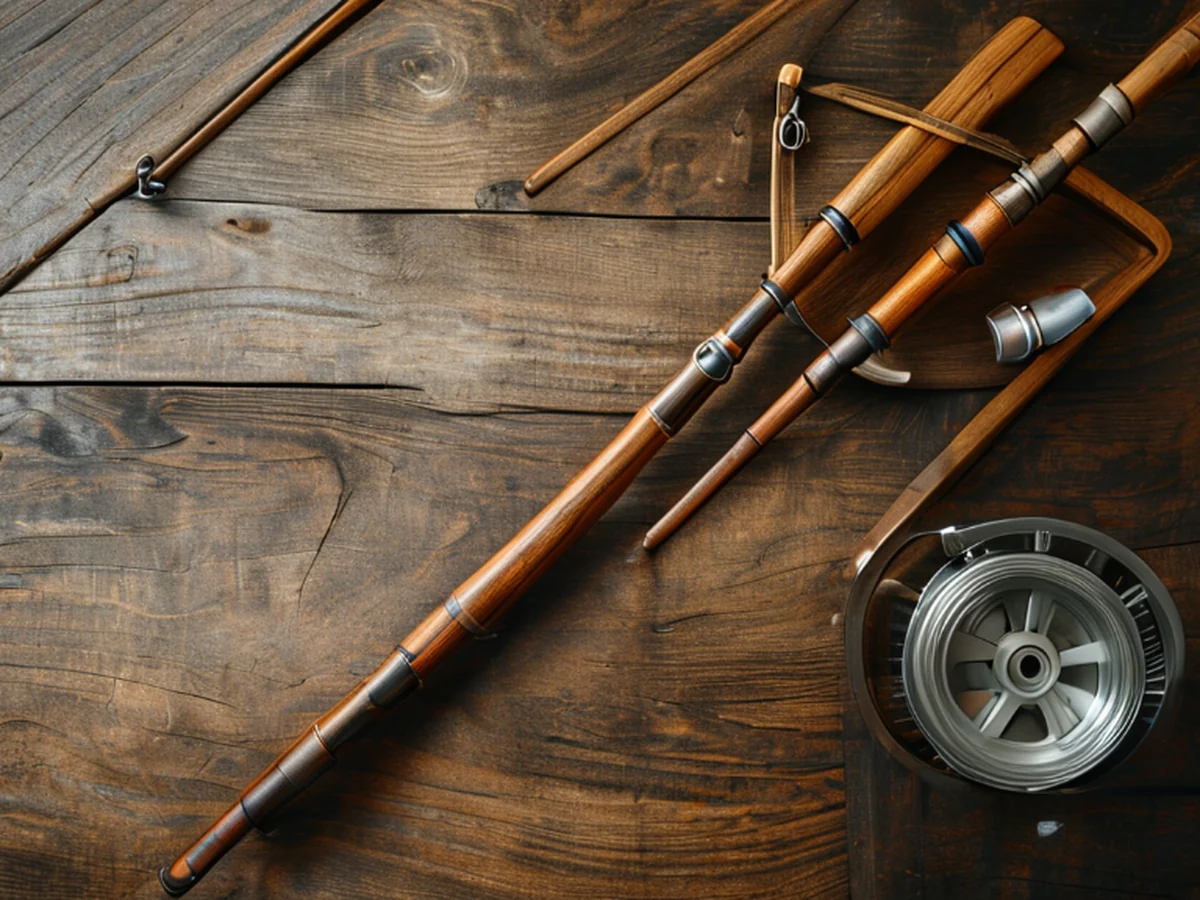
Standing on the salt-sprayed shoreline at dusk, I stare at the heavy lead and realize I must choose a weight that can pierce the crashing waves.
A fisherman stands on the shoreline, feeling the wind against their face while preparing to launch the lead toward the horizon. Selecting the correct weight is the first step in ensuring the bait reaches the desired distance.
According to technical specifications for beachcasting, a fisherman stands on a beach or shoreline and casts out to sea with either a water filled float, or a lead weight weighing between 120g and 200g. Using a weight in this range helps the line cut through the surf and settle on the bottom.
Choosing a weight that is too light may result in the current pulling the bait back toward the shore. The weight must be sufficient to overcome the natural drag created by the breaking waves near the beach.
The chosen weight also affects the speed at which the lead travels once it leaves the rod tip.
What kind of line strength is needed for heavy casts? Long cast fishing success
As the sun sets over the pier, I grip the rod tightly and know I must choose a line strong enough to withstand the sudden snap of a heavy cast.
The angler grips the rod, feeling the tension of the line as they prepare for a powerful overhead cast. The equipment must withstand the sudden force of a heavy weight being launched into the waves.
To prevent the line from snapping during a forceful cast, specialized rigs are often made with strong 60 lb plus lines to take the strain of the cast. This extra strength is vital when using heavy weights to reach distant spots.
If the line is too weak, the sudden acceleration of the lead can cause immediate failure. The line strength must account for both the initial stress of the cast and the subsequent strain when a large fish pulls against the rig.
How do I calculate the correct shockleader?

A fisherman carefully inspects the knot where the main line meets the leader, ensuring every loop is secure. This connection is the most common point of failure during a heavy fight.
The suggested formula for shockleader selection is as follows: 1 oz weight + 10lb shockleader + 10lb. Using this calculation helps ensure the leader is strong enough to handle the weight of the lead while allowing enough flexibility to absorb the shock of a strike.
This method provides a structured way to balance weight and line strength. The inclusion of the 10lb shockleader provides the necessary elasticity to dampen the sudden jerks of a powerful fish.
The added 10lb strength component ensures the connection point itself maintains integrity under extreme load.
| Component | Suggested Specification |
|---|---|
| Lead Weight Range | 120g to 200g |
| Rig Line Strength | 60 lb plus |
I once tried to use a much thinner line for a heavy cast, and it snapped instantly under the tension.
How do I handle large fish caught from the shore?
The rod bends deeply as a heavy fish struggles against the line, pulling the angler toward the water's edge. Managing these large weights requires patience and the right equipment.
Some species can be fished from the shore and range in weight from a few pounds to the world record 78.5 lb (35.6 kg). In certain regions, such as the mid-Atlantic U.S., fish in the 30 to 40 lb (15 kg) range are common.
Handling these weights requires a sturdy rod and a reliable reel to prevent the line from breaking during the initial run. The sturdy rod must be capable of absorbing the shock of the fish's initial surge without failing.

A reliable reel ensures the line spools consistently, allowing the angler to manage the fish's powerful runs effectively.
What are the steps for a successful cast and setup?
An angler prepares the gear on the sand, checking the knots and the weight before stepping toward the water. A systematic approach prevents gear failure in the field.
- Select a lead weight between 120g and 200g to ensure the cast reaches the target area. 2. Prepare the rig using strong lines, such as those rated at 60 lb or higher, to handle the casting strain. 3. Apply the shockleader formula by adding 10lb of strength for every 1 oz of weight used.
Always check the integrity of the knots after every cast to ensure no fraying has occurred. The sequence of preparation must prioritize the connection points, as these are the weakest links in the entire system.
Checking the knots after every cast verifies that the rig has maintained its structural integrity despite the forces exerted by the waves and the casting motion.
Can I use these techniques for all fishing types?
A person looks at their specialized surf rod and compares it to a lighter fly rod used in a different setting. The equipment used for distance casting is not interchangeable with delicate fly fishing gear.
These specific techniques and weights are designed for surf fishing and are not applicable to light-tackle fly fishing.
For example, the first 30 in (75 cm) of a 6wt fly line should weigh between 152–168 grains (10–11 grams), which is vastly different from the heavy lead weights used in beachcasting.

The heavy lead weights are designed to penetrate the surf zone, a condition that is unnecessary and detrimental to light fly fishing. The rod designed for heavy surf casting must possess the power to handle the substantial load imposed by the lead and the fish.
- How do I choose the right weight for casting?
- What kind of line strength is needed for heavy casts?
- How do I calculate the correct shockleader?
The subject here is Long cast fishing success.
The same subject is also called How to cast far fishing.
The same subject is also called Mastering lure fishing.
The same subject is also called Easy long distance fishing.
The same subject is also called Fishing technique guide.
This part also covers Beginner long cast tips.
This part also covers Advanced fishing retrieve tricks.
This part also covers Maximize catch with casting.
Beginner long cast tips
Related
- The 120 million best way to catch fish is to understand
- Target Species Guide: Matching Gear to Predators and Feeders
How does the line strength relate to the environment?
The line strength must be chosen based on the conditions of the shoreline and the size of the fish expected. The heavy weights are necessary to overcome the natural drag created by the breaking waves near the beach.
The line strength must also be sufficient to manage the powerful initial surge of a large fish. If the environment is particularly rough, the line must possess greater strength to prevent failure during the cast.
The line's ability to absorb shock is critical when fighting species that exhibit sudden, powerful bursts of energy.
The selection of the lead weight must correlate with the target depth and the power of the surf. A heavier weight allows the bait to settle further out, reaching more productive waters.
The line's elasticity, provided by the shockleader, acts as a buffer against the unpredictable forces of the ocean. The overall rig must be designed to withstand the combined stress of the heavy lead and the powerful fighting fish.


Comments 0