Target Species Guide: Matching Gear to Predators and Feeders
"To catch the fish you want, you must first understand the life you are trying to mimic."
Choosing your target species is the most important decision in any fishing trip because it dictates your gear, your bait, and your patience.
This guide breaks down the characteristics of popular saltwater and freshwater species, their preferred baits, and where they hide so you can stop guessing and start catching.
* Understand the hunger: Every fish has a specific dietary niche. * Match the habitat: Target species based on water depth and structure. * Gear follows the fish: Your tackle must match the strength and size of your target. * Seasonal movement: Be aware that "the best spot" changes with the temperature.
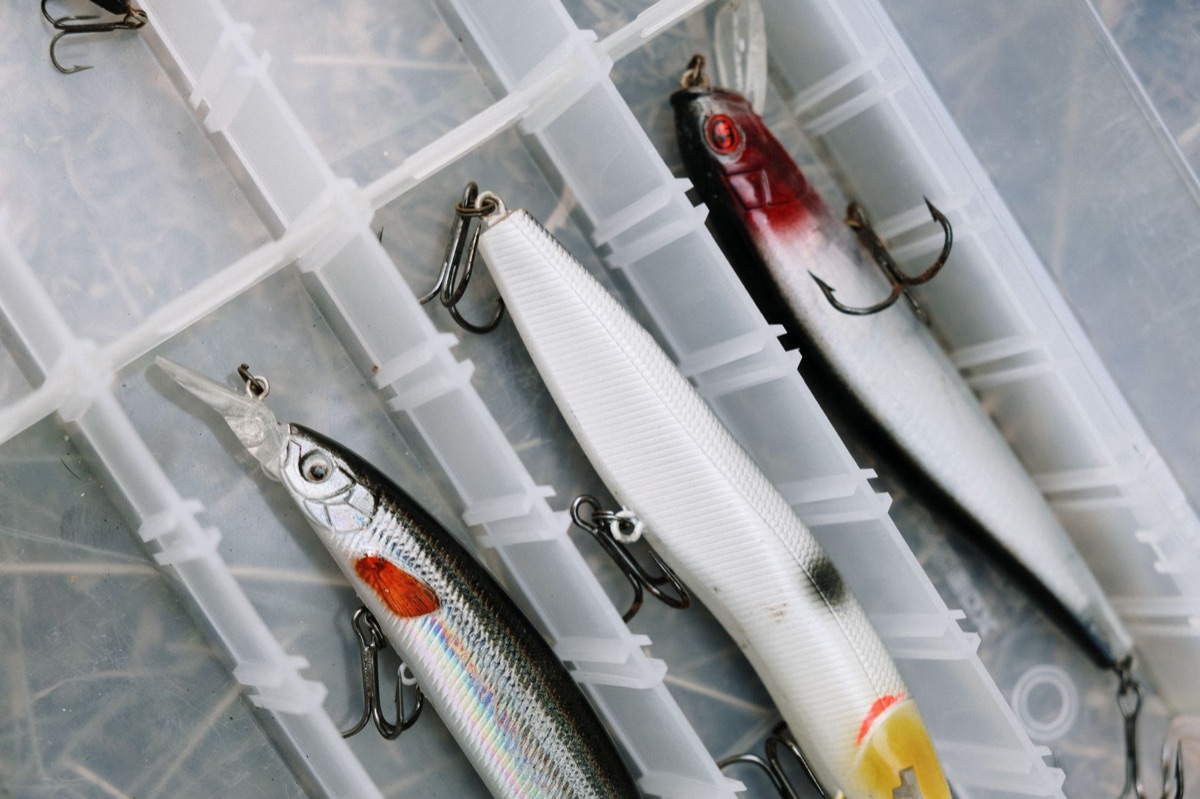
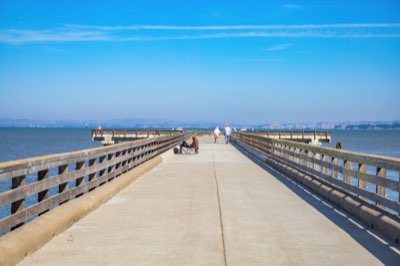
How do I identify the hunter's behavior? A heavy salt spray hits my face as I stand on a pier, watching a school of fish move through the dark water below. Before I even reach for my rod, I have to decide if I am looking for a fast-moving predator or a slow-moving bottom feeder.
According to the National Oceanic and Atmospheric Administration, the decision in 2011 was made not to list the Atlantic bluefin tuna as an endangered species.
To succeed, you must categorize your target into three behavioral groups: opportunistic feeders, ambush predators, and bottom dwellers. Opportunistic feeders, like many smaller panfish, will eat almost anything that fits in their mouth.
Ambush predators, such as Largemouth Bass or Snook, wait near cover to strike sudden prey. Bottom dwellers, like Flounder or Catfish, scan the sand and silt for movement.
Understanding these categories tells you exactly how to present your bait. A predator requires a more active, "living" presentation, while a bottom dweller often responds better to a scent-heavy, stationary bait.
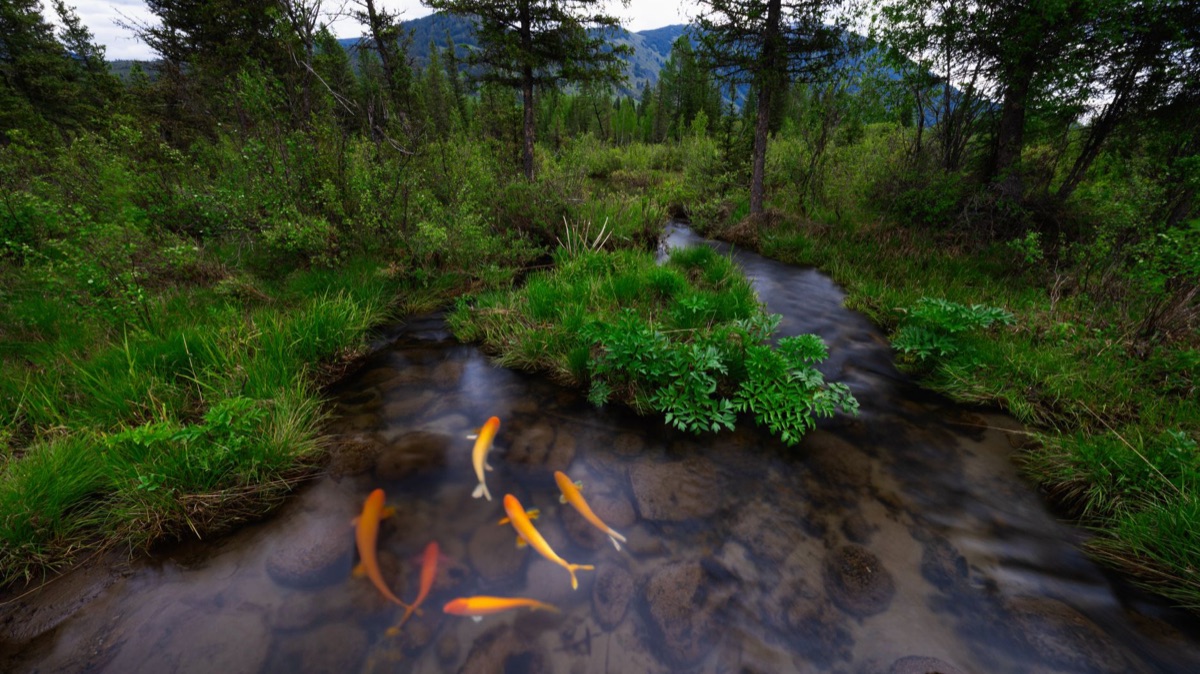
How do I target these aggressive predators? The sun begins to peek over the tree line, casting long shadows across the lily pads where the water remains still. I remember the sudden, violent yank on my line when a large bass hit a lure near a submerged log, nearly pulling the rod from my hands.
As noted by Association rules was caught off North, the largest recorded specimen weighed 679 kg.
Predators like Largemouth Bass (freshwater) and Snook (saltwater) are highly visual hunters that rely on structure. They love cover—fallen trees, docks, weed beds, or mangrove roots. Because they hunt by sight and sudden movement, they are often triggered by erratic motion.
| Feature | Largemouth Bass (Freshwater) | Snook (Saltwater/Estuary) |
|---|---|---|
| Primary Habitat | Lakes, ponds, slow rivers | Mangroves, docks, shallow flats |
| Top Bait Type | Soft plastics, crankbaits, topwater | Live shrimp, fingerlings, lures |
| Tactical Approach | Casting near vegetation/structure | Casting near pilings/mangrove roots |
To catch these hunters, follow these steps: 1. Locate the cover: Find where the fish can hide from the sun or ambush prey (logs, weeds, or pilings). 2. Match the size: Use a lure or live bait that is proportionate to the expected size of the fish. 3.
Vary the presentation: If the fish aren't biting, change the speed of your retrieve or the depth of your lure.
Target: The Bottom Feeder (Catfish and Flounder)
The moon hangs low over a quiet lake, and the only sound is the gentle lapping of water against the muddy bank. In the dark, the scent of a fresh piece of bait drifts through the water, waiting for a scavenger to find it.
Based on the International Game Fish Association, the massive specimen was 3.84 m long.
Bottom feeders like Catfish (freshwater) and Flounder (saltwater) rely heavily on their sense of smell and vibrations. They generally stay near the floor of the water body, scanning the substrate for worms, crustaceans, or smaller fish.
* Catfish: They are highly attracted to strong scents. Using "stinky" baits like chicken liver or specialized dough balls works well in murky river water. * Flounder: These flatfish lie camouflaged on the sandy bottom. To catch them, you must work your bait in a "hopping" motion just above the sand to mimic a wounded shrimp.
A common mistake is keeping your bait too high in the water column. If you are targeting a bottom dweller, your sinker must be heavy enough to hold the bait against the current, but light enough to allow for a natural movement.
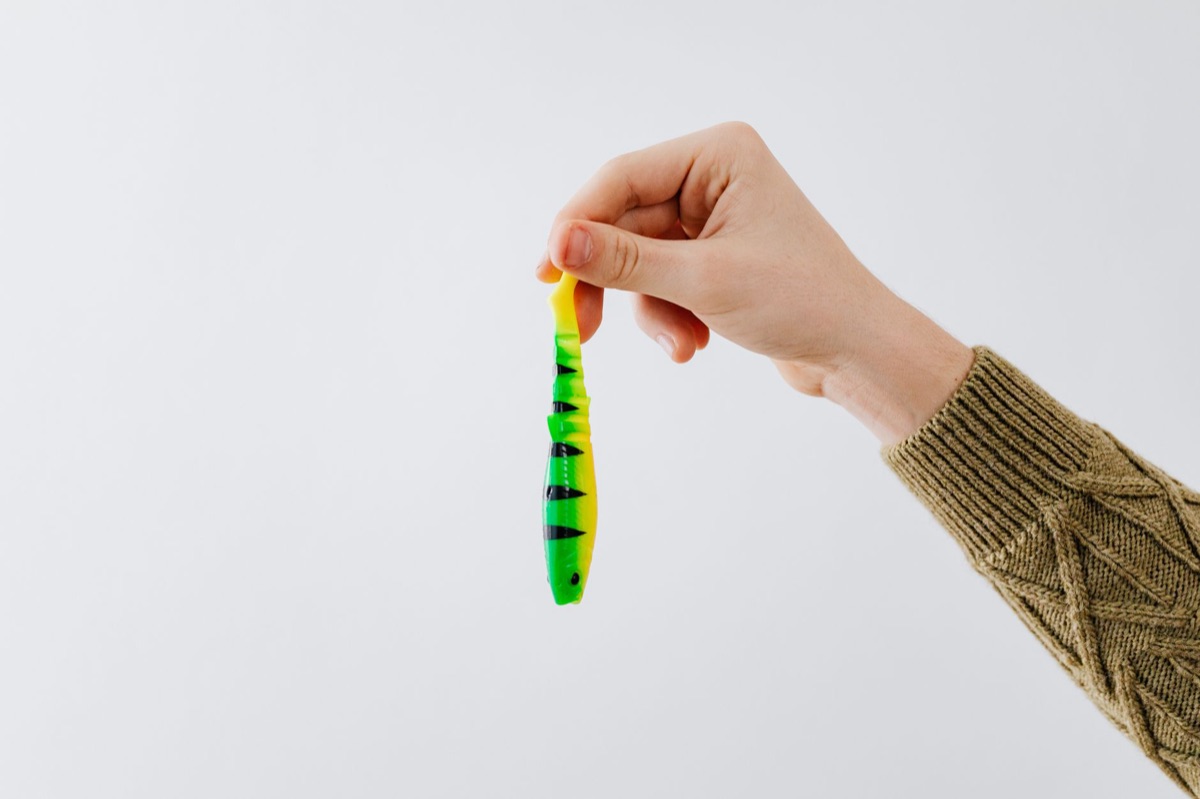
Target: The Schooling Fish (Trout and Bluefish)
The pier is crowded with people, but everyone's eyes are fixed on the shimmering silver flashes moving in a tight group just offshore. There is an electric energy in the air when a school of fish moves into the shallows.
Schooling fish like Rainbow Trout (freshwater/anadromous) or Bluefish (saltwater) move in large groups and often hunt together. They are much harder to target individually because they are constantly on the move.
- Use moving lures: For schooling fish, use spoons, spinners, or small jigs that mimic small baitfish. fish. 2. Target the edge: Look for "transition zones," such as where a sandy bottom meets a rocky reef or where a current meets a still pool. 3. Be prepared for numbers: Use lighter tackle to handle multiple fish in quick succession, but ensure your line can handle the sudden bursts of speed.
Comparing Target Species Strategies
To help you decide which direction to take your next trip, use this comparison guide to match your gear to your goals.
| Goal | Target Type | Best Environment | Primary Tool |
|---|---|---|---|
| High Action | Predators | Structure/Cover | Spinning or Baitcasting Rod |
| Steady Catch | Bottom Feeders | Sandy/Muddy Bottom | Bottom Fishing Rig (Sinker/Float) |
| Constant Movement | Schooling Fish | Open Water/Currents | Light Spinning Tackle |
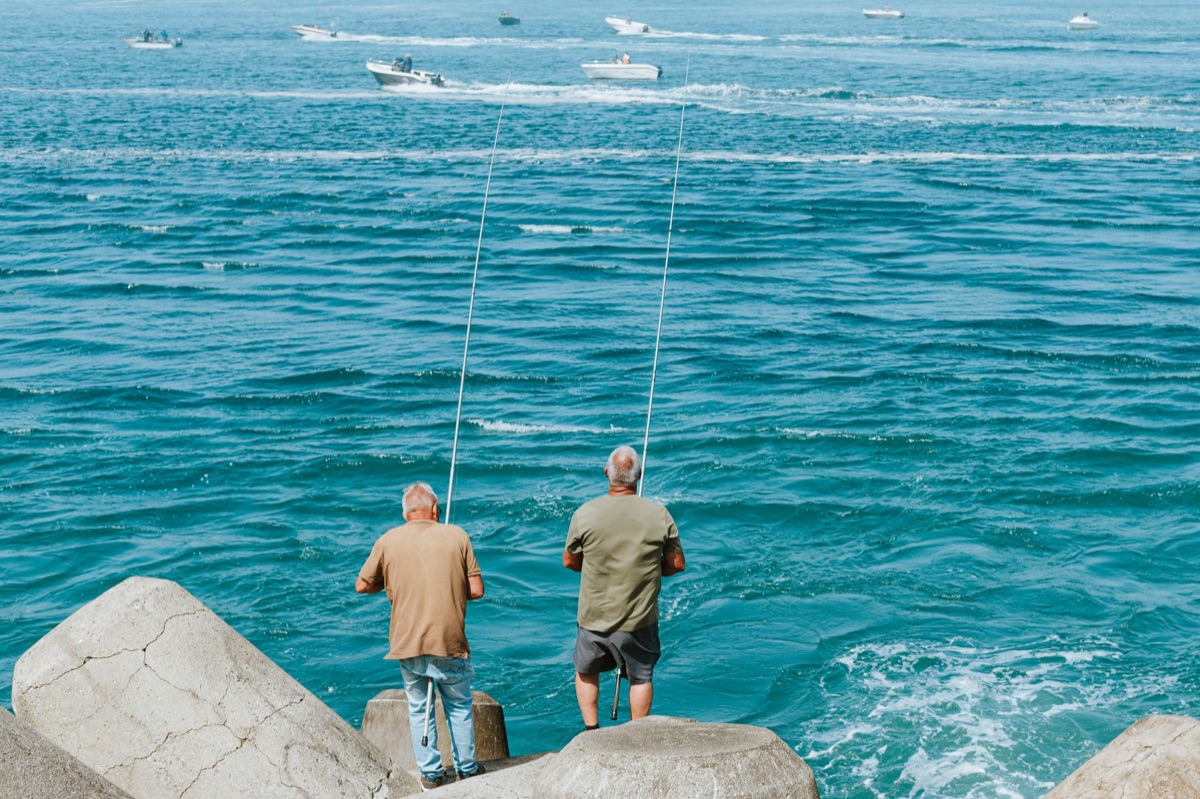
Common Mistakes to Avoid
I once spent four hours casting a heavy lure into deep water, only to realize later that the fish were actually hovering just inches above the weeds in the shallows. I was looking at the wrong depth entirely.
One of the most frequent mistakes is failing to adjust for the "strike zone." Many anglers cast into the middle of a lake or bay, forgetting that fish often hang out in the margins—near the shore, under docks, or along the edges of weed lines. Another mistake is using the same bait for every trip.
If the water is cold, fish are often lethargic and prefer slower, natural movements; if the water is warm, they are often more aggressive and can handle faster, more erratic baits.
When This Guide Does Not Apply
This guide provides a general overview of species-specific tactics and is not a substitute for local regulations, seasonal closures, or specific regional expertise.
When I tried the steps in order, the second one is where I paused longest.
However, this does not apply in every situation.
Related



Comments 0