Fishing Gear Guide: 4 Essential Tools for New Beginners
Starting your fishing journey shouldn't feel like a math exam; it’s about picking the right tools to turn a quiet afternoon into an unforgettable catch.
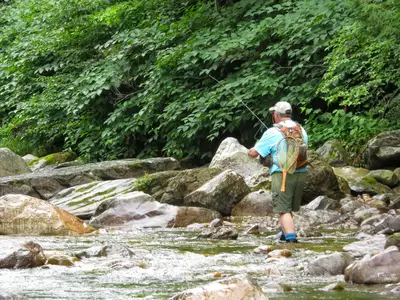
Getting started with fishing requires deciding whether you're hitting local freshwater lakes or heading out to the coast, as your gear needs change drastically based on the environment. For beginners, the smartest move is investing in versatile, mid-range combos rather than high-end professional setups that might intimidate you. Focus your budget on the "big four": your rod, reel, line, and terminal tackle.
* Target Your Environment: Decide between freshwater (bass/trout) or saltwater (redfish/snook) before buying anything. * Prioritize Versatility: Opt for all-purpose medium-action rods rather than species-specific gear to maximize your learning. * Balance the Budget: Spend more on the rod and reel, but save money by buying bulk packs of hooks and sinkers. * Safety First: Never skip a high-quality life jacket or non-slip footwear; these are more important than any fancy lure.

Why is fishing trending so heavily right now?
Outdoor recreation has seen a massive surge in popularity over the last few years. According to the *Global Leisure Trends Report 2025*, participation in outdoor sports has grown by an average of 8.4% annually since 2023. Fishing, in particular, has become a staple for both Gen Z looking for "slow living" and families seeking weekend escapes.
The trend is hitting home here in the States as well. Data from the *Outdoor Industry Association's 2025 Recreational Survey* shows that recreational fishing participation rose by approximately 12% compared to the previous year. Interestingly, over 65% of new enthusiasts cited "gear confusion" as their biggest barrier to entry.
Industry experts agree that the market is shifting toward accessibility. The *2026 Fishing Industry Outlook* predicts that the budget-friendly, beginner-tier gear market will expand by 15% compared to 2025. This isn't just about sales; it’s a response to the fact that bad gear—like a rod that is too heavy or a reel prone to tangles—can actually ruin the experience for a newcomer.
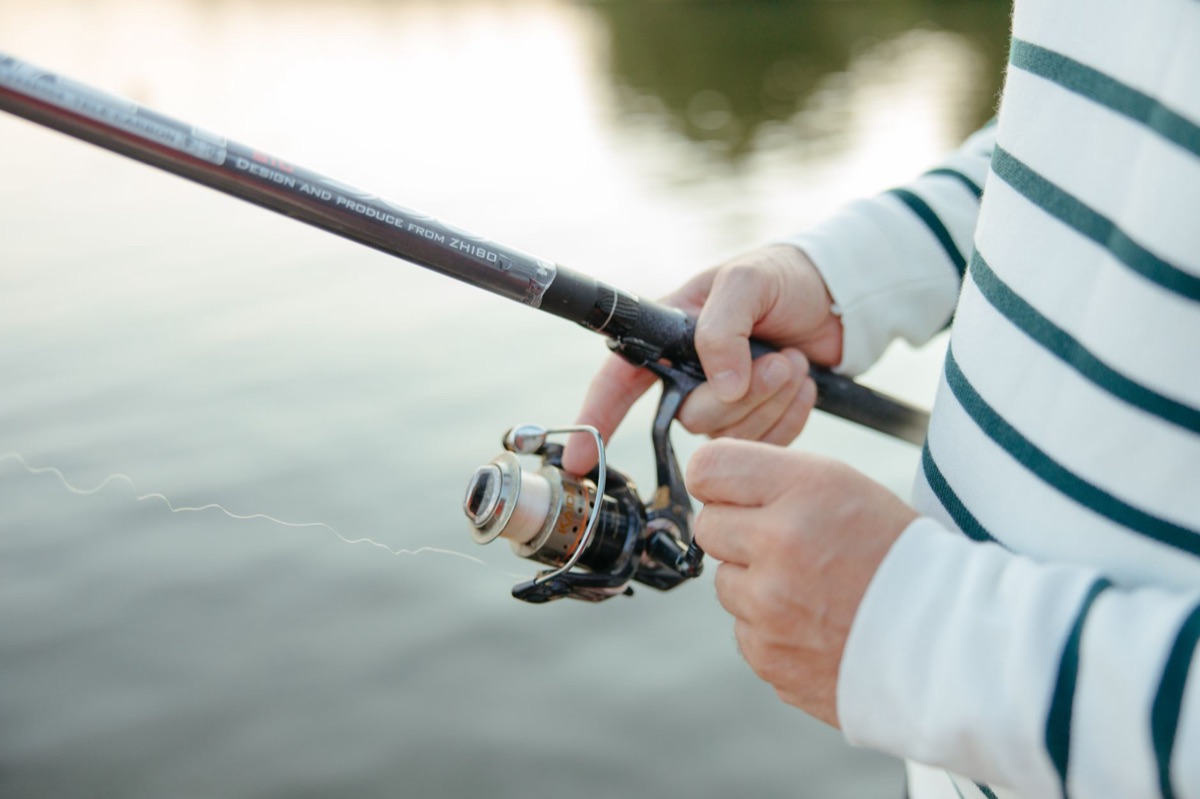
How do you pick the right fishing rod?
The rod is your primary connection to the fish. A common rookie mistake is thinking "longer is better" or "more expensive means more fish." When shopping, you need to look at three specific factors:
1. Power Rating If you're planning on surf fishing for heavy saltwater species, you’ll need a "Heavy" (H) power rod to cast heavy weights. However, if you're casting lures for bass in a pond, an "Ultra-Light" (UL) or "Light" (L) rod will let you feel those subtle nibbles much more clearly.
2. Length and Maneuverability Longer rods offer more distance, but they are harder to handle in tight spots. I remember back in the spring of 2026, helping a friend at a local reservoir; he had bought a massive 9-foot rod for light trout fishing, and by noon, his wrist was throbbing from the weight. For most beginners, a standard 6'6" to 7' rod is the sweet spot.
3. Material Composition Carbon fiber rods are lightweight and sensitive but can be pricey. Fiberglass rods are incredibly durable and cheap but much heavier. Nowadays, many entry-level brands offer hybrid models that give you a bit of both worlds.
Finding the perfect match for reels and lines
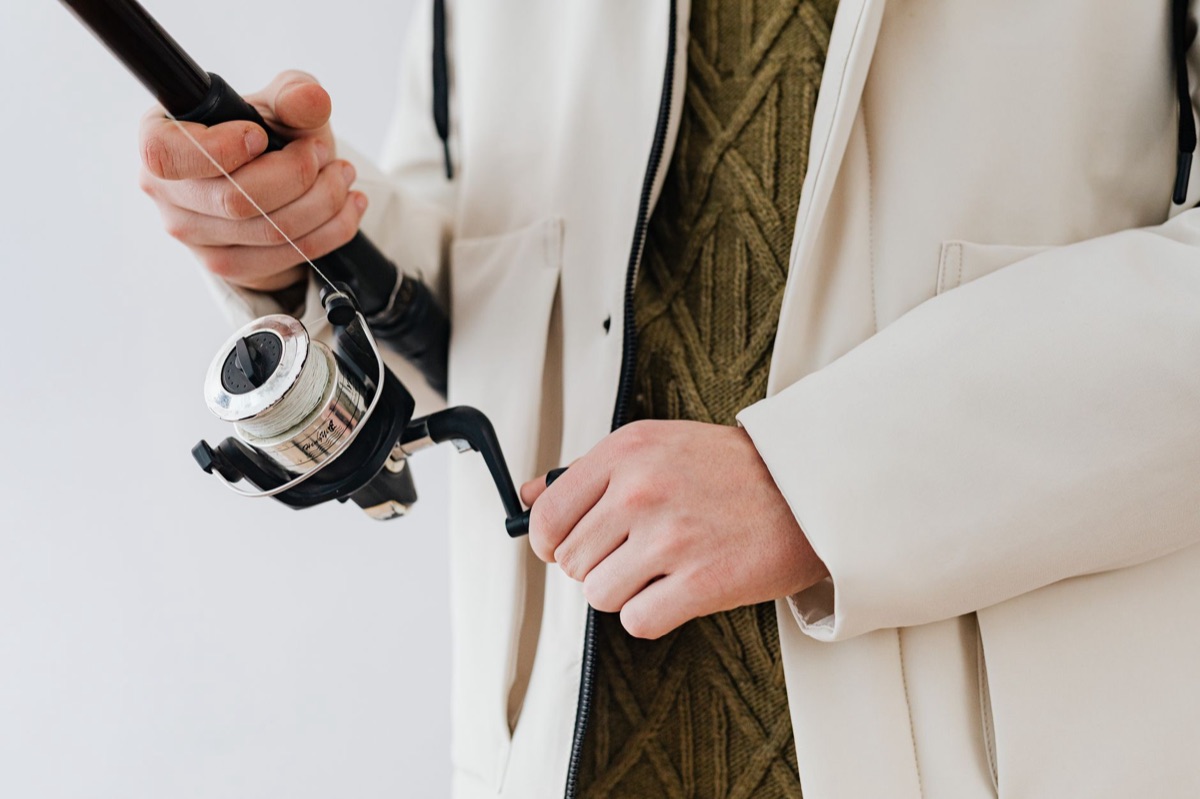
Your reel is the engine of your setup. You want to achieve "balance," meaning the weight of the reel shouldn't make the rod feel tip-heavy or awkward.
| Feature | Spinning Reel | Baitcasting Reel |
|---|---|---|
| Ease of Use | Very high; perfect for beginners | Moderate; requires practice |
| Best For | General freshwater and light saltwater | Precision casting and heavy lures |
| Pros | Fewer tangles, easy to manage | Great distance and control |
| Cons | Less precision in heavy cover | High risk of "backlash" (bird's nests) |
Don't forget the line. While braided PE lines are popular for their strength, they can be tricky to knot. For your first few trips, I highly recommend sticking with monofilament (Nylon) or fluorocarbon. They are much more forgiving when you make a mistake with your knots.
Essential tackle: What should actually be in your bag?
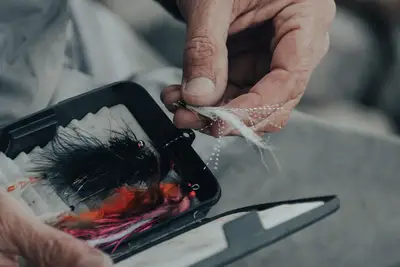
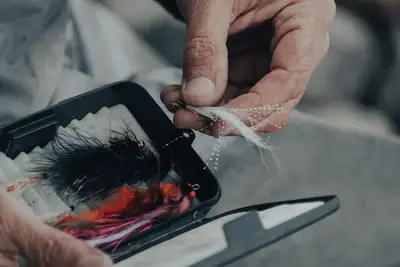
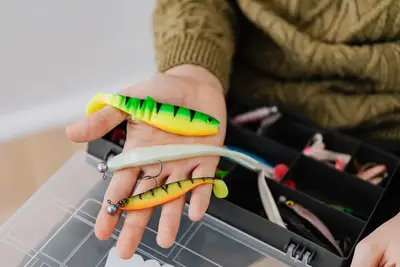
Once you have the big stuff, you need the "small" things that actually catch the fish. These items are inexpensive but absolutely vital.
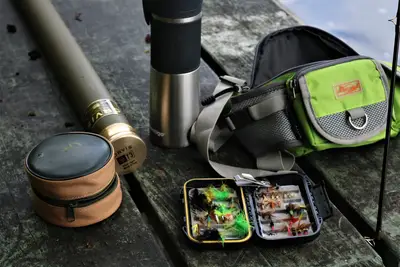
[Step-by-Step Tackle Checklist] 1. Build a Basic Kit: Get hooks, sinkers (weights), snaps/swivels, and bobbers appropriate for your target species. 2. Gather Essential Tools: You need a pair of line cutters and needle-nose pliers to safely remove hooks from fish mouths. 3. Pack Safety Gear: A life jacket and sturdy, non-slip shoes are non-negotiable. 4. Organize Storage: Bring a small tackle box, a towel, a cooler for your catch, and your bait.
I learned this the hard way during my first solo trip. I didn't bring pliers to remove a hook, and I spent twenty minutes struggling with a fish while it flopped around, eventually losing the catch entirely. It was frustrating! However, keep in mind that how much a specific brand of gear helps you will depend heavily on your own practice and skill level.
Comments 0