Trolling 101: Essential Gear and Techniques for Beginners
Master the art of moving lures to turn a slow boat ride into a high-action fishing adventure.
Trolling is the process of dragging a lure or bait behind a moving boat to mimic fleeing prey, allowing anglers to cover vast areas of open water to find active schools of fish.
Success depends on balancing boat speed, lure depth, and the strength of your gear to trigger strikes from predatory species.
* Trolling basics: Success requires understanding the relationship between boat speed, lure depth, and target species. * Essential Gear: You need heavy-duty rods, high-capacity reels, and specialized leaders to handle big-game strikes. * Operational Safety: Managing line tension and preventing tangles during boat movement is critical for both safety and catching fish. * Success Factor: Matching lure presentation to the specific environment and water depth is the key to consistent catches.

What is Offshore Trolling and Why is it Essential?
The sun hits the deck of the boat at 6:00 AM, and the salt spray feels cold against your face as the engine hums to life. You watch the wake stretch out behind the stern, realizing that the movement of the boat is now your primary tool for hunting.
Trolling is defined as dragging a lure or bait behind a moving vessel to mimic the erratic, fleeing motion of wounded prey. Rather than sitting in one spot waiting for fish to find you, you are actively searching for them by covering large sections of the ocean.
This strategic advantage allows anglers to find active schools of pelagic fish that might be miles away from a stationary structure.
The effectiveness of this method is backed by recent trends in recreational fishing. According to data compiled by the National Oceanic and Atmospheric Administration (NOAA), trolling accounted for over 55% of all offshore recreational pelagic catches in 2026.
This popularity stems from the ability to target highly migratory species. Pelagic fish like tuna, mackerel, and mahi-mahi are often spread across wide-ranging currents, making the ability to "search" with a moving boat essential for anyone looking to land big-game species.
But having the right boat doesn't mean you have the right tools.
Essential Gear Setup for Beginner Trollers
You stand on the deck, looking at a pile of heavy-duty rods and colorful lures, wondering which one can actually withstand the pull of a hungry tuna. The weight of the gear is noticeably different from the light setups used for pier fishing.
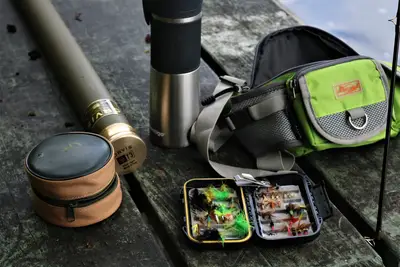
The rod and reel combo is the backbone of your setup. You should look for medium-heavy to heavy-action rods designed to bend under the pressure of a heavy run without snapping. Pair these with high-drag capacity spinning or conventional reels that can hold hundreds of yards of line.
The leader setup is the second critical component. Because big-game fish can be abrasive or have sharp teeth, using heavy fluorocarbon or monofilament leaders is vital to absorb the shock of sudden strikes and prevent line failure.
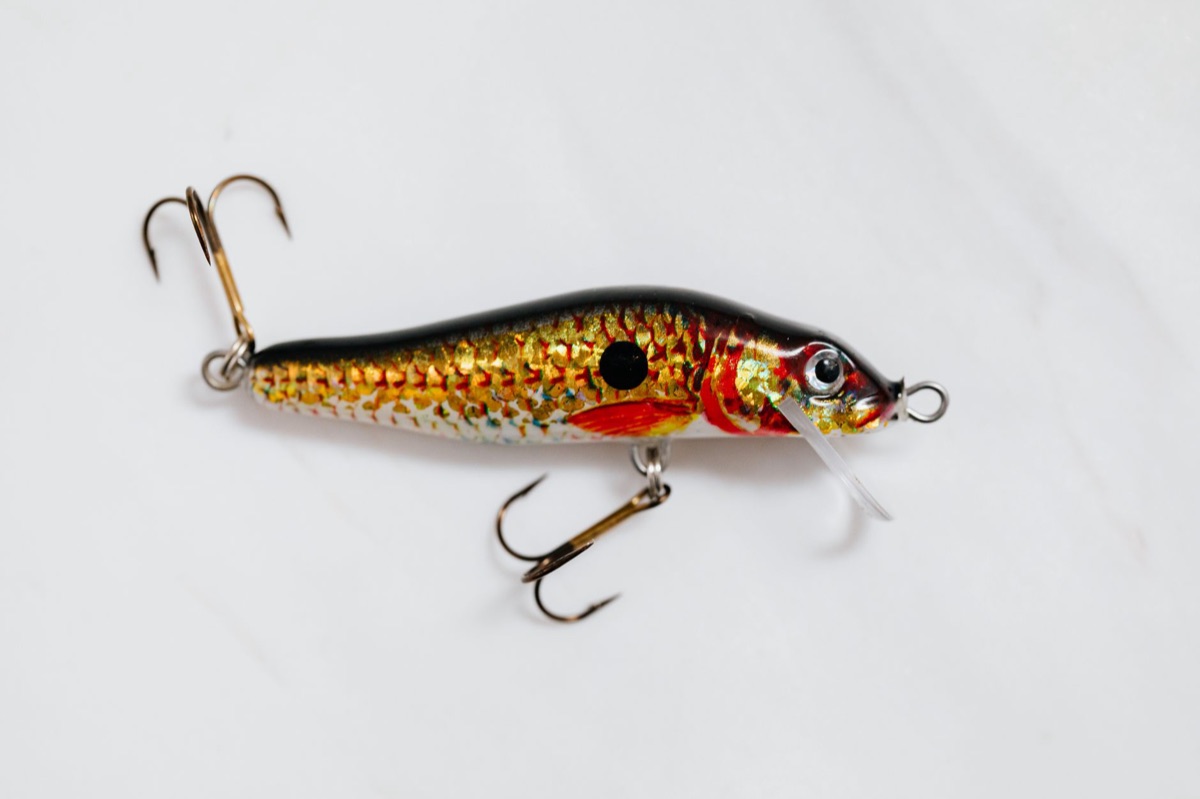
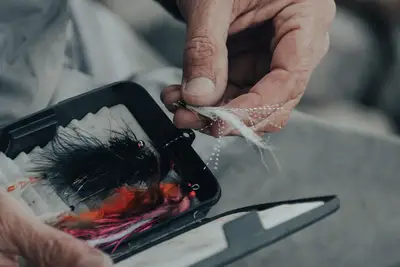
Lure selection depends on your target. You might choose hard baits, such as deep-diving plugs or crankbaits, to create vibration, or soft baits, like squid or artificial lures, to provide a more natural scent and wiggle.
Finally, consider your terminal tackle. You must use heavy-duty snaps and swivel-to-leader connections to ensure that the connection points can handle the tension of a moving boat and the strength of the fish.
When I first tried this in the summer of 2025, I realized that a cheap rod doesn't just bend—it can snap like a toothpick under the weight of a single strike.
Step-by-Step: How to Set Up and Deploy Your Trolling Rig
The boat engine idles as you carefully thread the line through the rod guides, feeling the tension of the lure as it hits the water. You check your knots one last time before the boat picks up speed.
- Rigging the lure: Secure your lure to the leader using a strong knot, such as a Palomar or a heavy-duty loop knot. Ensure the lure is balanced so it swims upright in the water column.
- Setting the drag: Adjust your reel's drag settings before deployment. The drag should be tight enough to control the fish but loose enough to prevent the line from snapping during the initial explosive run.
- Deployment: Release the line from the boat while the vessel is moving at a controlled speed, typically between 3 and 7 knots. Ensure the line is clear of the boat's propellers and other moving parts.
- Managing the "Spread": Space your lines strategically. By using different depths or spreading lines out from the stern, you can cover more water and prevent lines from tangling with one another.
| Gear Type | Best Use Case | Primary Benefit |
|---|---|---|
| Hard Baits/Plugs | High-speed surface/mid-water | Creates vibration and visual flash |
| Soft/Live Baits | Slower, natural presentations | Mimics natural food/scent |
| Heavy Fluorocarbon | Deep-water/abrasion resistance | Nearly invisible and very strong |
But once the lines are in the water, the real work begins.
Essential Techniques for Successful Operation
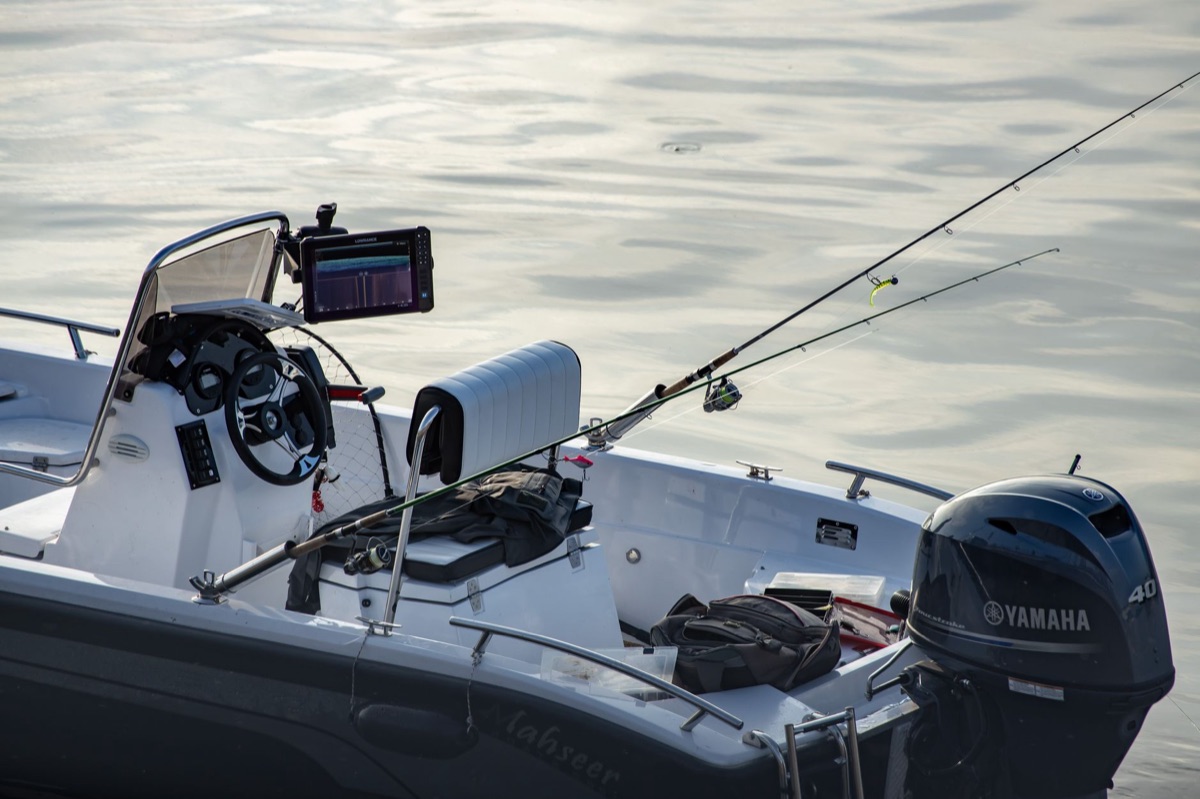
The boat picks up speed, and the lure starts dancing through the waves, creating a rhythmic splashing sound that signals the hunt is on. You keep a hand near the throttle, eyes fixed on the line.
Speed control is one of the most important skills to master. The throttle is essentially your depth control; increasing boat speed usually causes a sinking lure to dive deeper, while slowing down allows it to rise toward the surface.
The "Tangle-Free" rule is the golden rule of the deck. You must manage line tension constantly to avoid "bird's nests" or messy tangles during sudden strikes or when the boat changes direction.
Reading the water is how you find the fish. You must watch for surface ripples, the presence of birds, or sonar readings to decide whether to speed up, slow down, or change your trolling path.
When a hit occurs, the hook-setting technique matters. Depending on the species, you might use a "strike-and-hold" method where you simply tighten the drag, or an active reeling technique to bring the fish toward the boat.
However, even with perfect technique, one wrong move can ruin everything.
Common Mistakes Beginners Must Avoid
A sudden jerk on the rod catches you off guard, and for a second, you realize your drag was set far too tight for the strength of the line. You take a breath and realize this is a learning moment.
* Incorrect Speed: Moving too fast can cause a lure to dive too deep or move unnaturally, while moving too slow can cause the lure to lose its intended action. * Improper Drag Settings: Setting the drag too tight can snap your line instantly during a strike, while setting it too loose can lead to losing the fish during a long run. * Ignoring Line Angle: Many beginners forget that the angle of the line from the rod tip to the water affects how deep the lure sits. * Safety Neglect: Never ignore safety protocols. Always secure your gear when the boat is moving or during a heavy strike to prevent equipment from flying overboard or causing injury.



Comments 0