Freshwater Fishing: 2 Main Styles to Match Your Lifestyle
Stop wandering aimlessly through tackle shops; discover whether you are a patient float fisherman or an active lure hunter to master the art of freshwater fishing.
Choosing between float fishing and lure fishing is less about the fish and more about how you want to spend your afternoon. One offers a meditative seat by the water, while the other offers a constant physical engagement with the environment.
* Identify your personality type: The "Patient Observer" (Float Fishing) vs. The "Active Hunter" (Lure Fishing). * Match your gear and environment to your preferred level of physical activity. * Understand the fundamental differences in tackle, movement, and target species between styles. * Use the right combination of location and technique to maximize your catch rate.
Which Freshwater Fishing Style Matches Your Personality?
The sun hangs low over a glassy lake in Minnesota on a Tuesday in July 2026, casting long shadows across the reeds. An angler sits perfectly still on a folding chair, eyes locked on a tiny red bobber dancing on the surface.
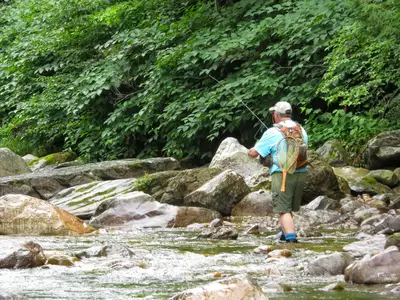
Ten yards away, another person is hiking through thick brush, casting a spinning rod toward a rocky drop-off with a rhythmic, energetic motion.
The divide in freshwater fishing usually falls into two distinct pillars: passive/stationary fishing and active/mobile fishing. If you find peace in silence and the slow unfolding of nature, you might gravitate toward float fishing.
If you crave the adrenaline of a sudden strike and the physical challenge of searching for fish, lure fishing will likely be your calling.
Consider your own physical mobility and mental state before you buy your first rod. Will you be sitting on a comfortable chair by a pier, or will you be hiking through muddy banks and casting into heavy cover?
Understanding this preference will save you hundreds of dollars in gear that doesn't match your lifestyle.
The Art of Float Fishing: For the Patient Soul
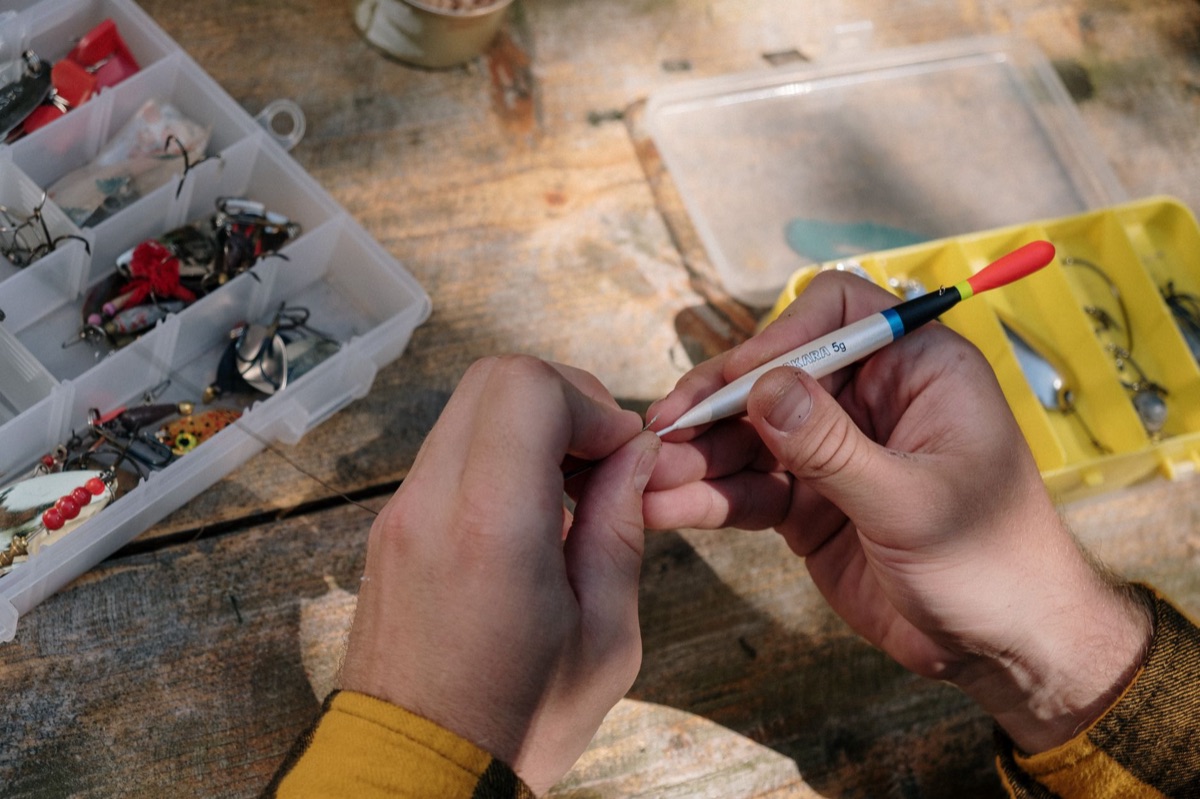
A quiet morning at a local pond reveals the subtle mechanics of buoyancy. A small piece of cork sits on the water, holding a piece of worm at a precise depth. When a fish approaches, the float doesn't just move; it dips, twitches, or slides, signaling a dinner bell to the angler waiting below.
Float fishing relies on using buoyancy to present natural bait at specific depths. By adjusting your sinkers and the float itself, you can suspend your bait right in the strike zone of fish like bluegill, trout, or carp. It is a game of precision and presentation.
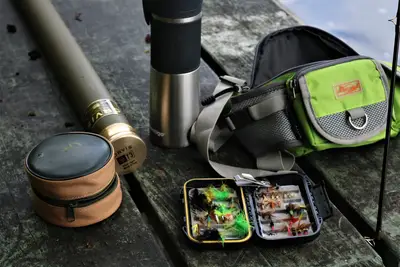
Your essential gear for this style includes rods with sensitive tips, various sizes of floats (bobbers), sinkers to weight the line, and live bait like worms, dough, or insects. The strategy is the "wait and watch" method.
You aren't just waiting for a hit; you are reading the subtle movements of the float to distinguish between a fish feeding and a current moving the line.
But how do you handle it when the water isn't still and the fish aren't sitting waiting for a meal?
The Thrill of Lure Fishing: For the Active Angler
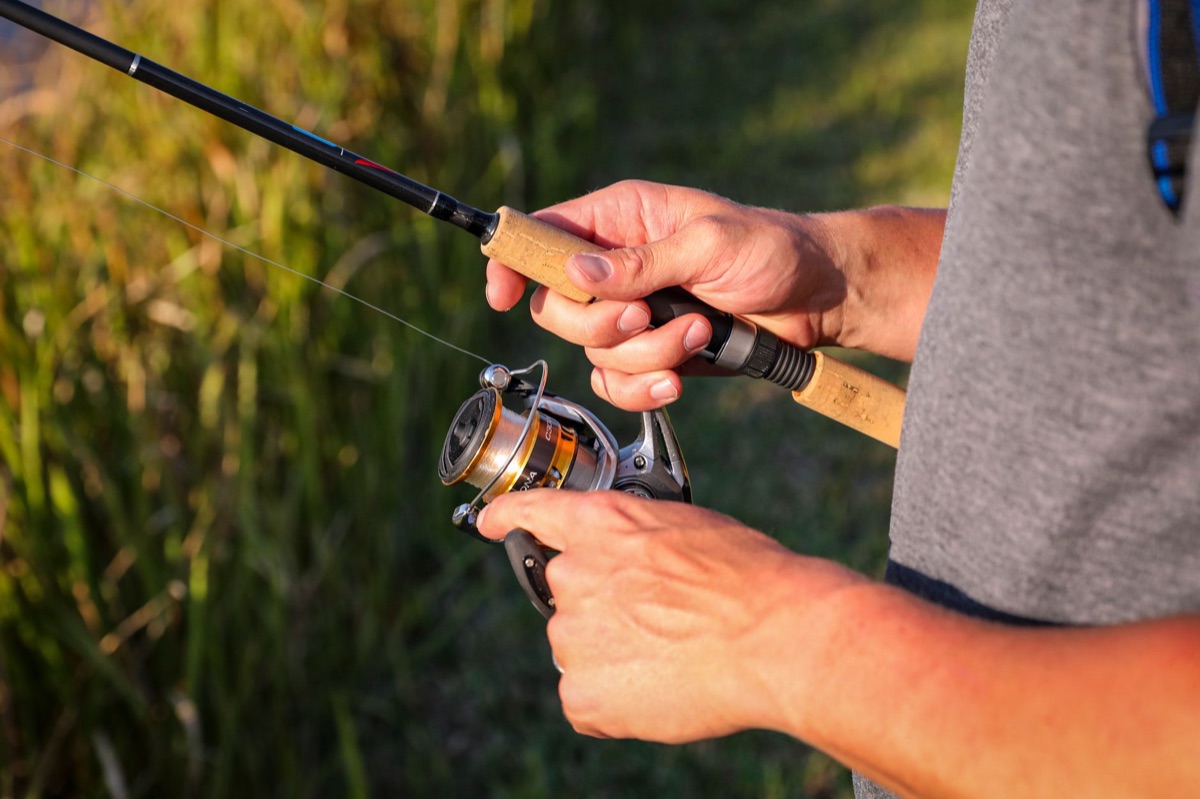
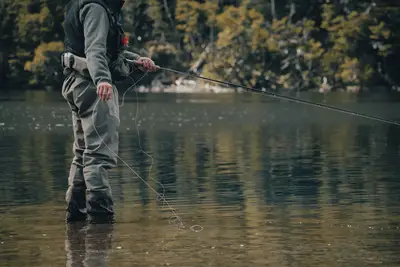
The silence of the woods is broken by the sharp *whirr* of a spinning reel. A fisherman stands on a ledge, casting a colorful plastic lure into a dark patch of water. The lure sinks, dances, and then—with a violent splash—is intercepted by a predatory bass.
Lure fishing is based on the concept of "artificial prey." Instead of waiting for a fish to find your bait, you use moving lures to trigger the predatory instincts of fish like bass or pike. You are essentially mimicking a wounded baitfish or an insect to provoke an aggressive strike.
Techniques vary from technical spinning to heavy casting, and success often depends on varying your retrieval speeds to keep the fish interested. In certain environments, larger presentations can be incredibly effective.
For example, spoons up to 8 inches in length are being used on major drop-offs to lure in bass with what appears to be a giant shiny meal.
Your gear will consist of spinning or baitcasting reels, braided or monofilament lines, and a collection of hard lures (crankbaits, spoons) or soft plastics. It is an active pursuit that rewards those who can read the water and move to find the fish.
The constant movement can be exhausting, but it leads to a different question: how do you choose between these two worlds?
##
A traveler stands at a crossroads in a local park, looking at a cheap little tackle box and a high-end graphite rod. One path leads to a quiet pier, while the other leads to a rugged mountain stream.
Your environment dictates your gear. If you are bank fishing in an open field, you have more freedom to move. If you are boat fishing, you can reach much deeper water but might need more specialized equipment to handle the platform.
Budgeting is another major factor. Float fishing often has a lower entry cost because the tackle is simpler and less specialized. You can own a complete setup for a fraction of the cost of a high-end lure setup. Conversely, lure fishing can become an expensive investment.
The cost of specialized rods, high-performance reels, and a diverse collection of lures can add up quickly as you try to master different presentations.
Consider the season as well. Temperature and water clarity will dictate which style is more effective. In cold water, fish might be less active, making float fishing with live bait more productive. In warmer water, the aggressive strikes of lure fishing often become much more frequent.
| Feature | Float Fishing (Bait) | Lure Fishing (Artificial) |
|---|---|---|
| Primary Goal | Presenting natural food | Triggering predatory instinct |
| Physical Activity | Low to Moderate | High |
| Complexity | Learning to read water/buoyancy | Learning casting/retrieval |
| Typical Target | Bluegill, Carp, Trout | Bass, Pike, Walleye |
| Entry Cost | Generally Lower | Generally Higher |
Step-by-Step: Transitioning from Beginner to Intermediate
A young angler sits on a wooden dock, carefully tying a knot on a piece of translucent line. They look at their mentor, who is showing them how to hold a rod to balance the weight of the reel.
Moving from a novice to a skilled angler is a process of layering skills. Do not try to master everything at once.
- Master basic knots: Before switching styles, ensure you can tie a Palomar or a Clinch knot perfectly. If your knots fail, your gear doesn't matter.
- Start with Float fishing: Use this to learn how fish actually behave and how to interpret different types of "bites" on your line.
- Introduce Lure fishing: Once you understand fish behavior, use lures to learn casting accuracy and how to read water currents.
- Combine techniques: Eventually, you will use hybrid styles, such as using soft plastics to mimic the presentations used in float fishing.
A common mistake is buying too much gear before understanding the basic mechanics of one style. If you own ten different rods but can't tie a knot or cast straight, you aren't an angler—you are just a collector.

Comments 0