Dry vs wet fly fishing: Why trout feed below 90%
"The art of the cast begins with understanding the target, whether it sits on the film or drifts in the depths."
Understanding the dry vs wet fly fishing distinction requires recognizing where the fish are actually eating. While dry flies float on the surface to mimic terrestrial or aquatic insects, wet flies sink to target fish in the water column.
This guide covers how to choose between surface and subsurface presentations, noting that a trout feeds below the water's surface nearly 90 percent of the time.
What's the real difference between dry and wet flies?
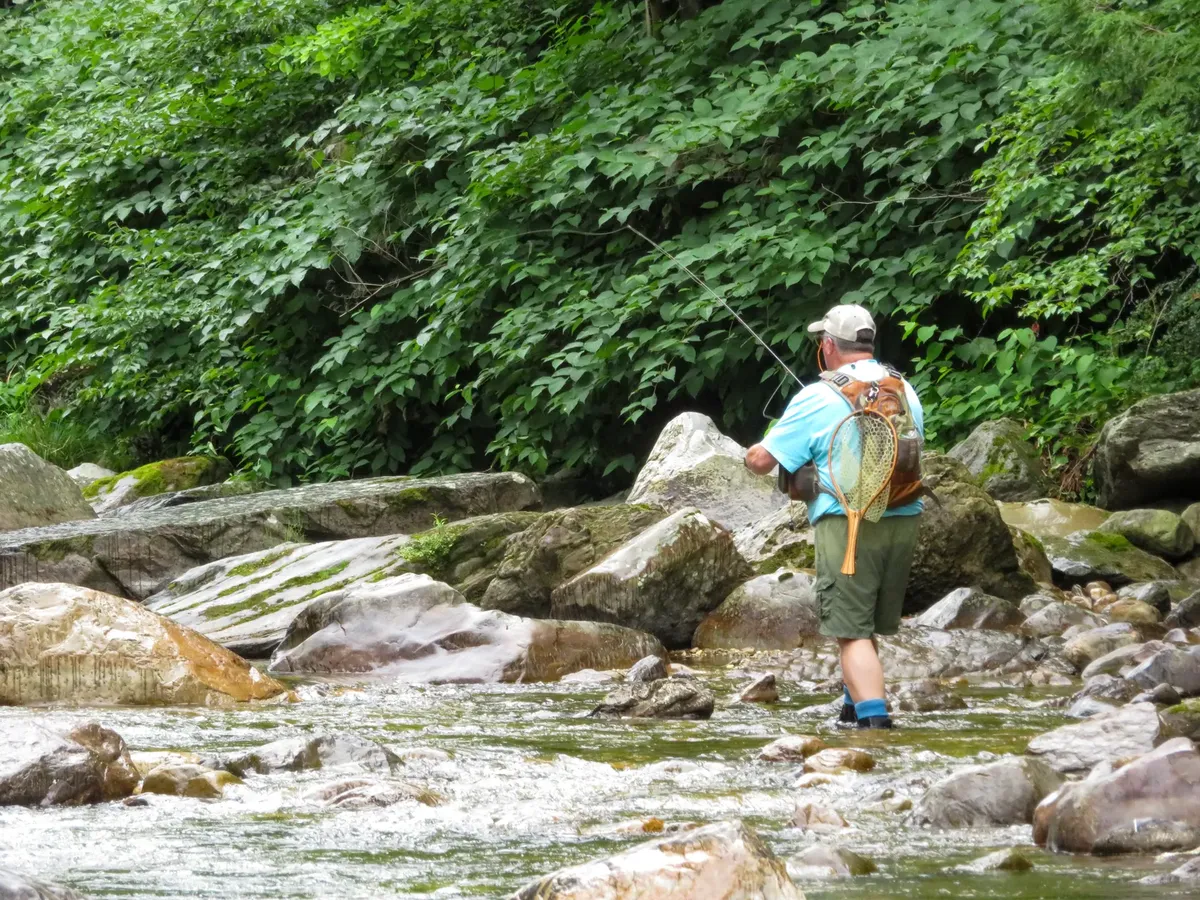
At dawn by the riverbank, I squint at the surface tension to decide between floating or sinking my fishing gear. At dawn by the riverbank, I watch a floating lure dance on the ripples while contemplating the difference between surface and depth fishing.
A fly fisherman stands on a riverbank, watching a line drift across the water. The choice between a floating fly and a sinking one changes the entire approach to the hunt.
The primary difference lies in buoyancy and depth. A dry fly is designed to float on the surface tension, mimicking an insect that has landed on the water. Conversely, a wet fly is intended to sink, reaching various depths in the water column to target fish.
This distinction is vital because a trout feeds below the water's surface nearly 90 percent of the time.
Understanding the dry vs wet fly fishing relationship helps an angler decide whether to focus on the surface or the depths. A dry fly focuses on visual imitation at the surface, while a wet fly targets the vast space below.
Using the right tool depends on whether the fish are rising to feed or searching for food in the depths.
The primary distinction lies in whether the fly floats on the surface or sinks into the water column.
How do fly sizes impact your selection? Dry vs wet fly fishing
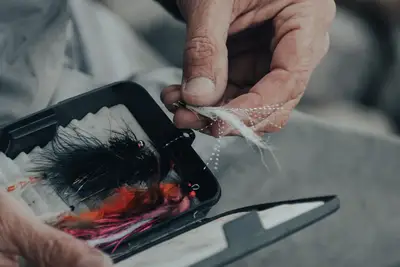
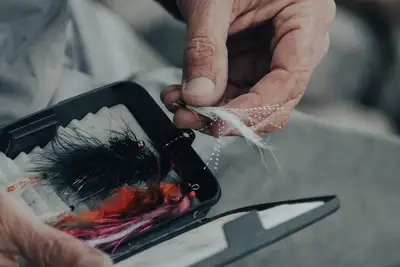
An angler reaches into a small wooden box to select a tiny, delicate fly. The size of the fly must match the expected prey to remain convincing to the fish.
Fly sizes vary significantly depending on the target species and the specific insect being imitated. Most flies are between 1 and 5 cm (0.39 and 1.97 in) in length, though they can range from a few millimeters up to 30 cm (12 in).
Selecting a size that matches the natural food source is essential for success.
Effective fly selection by water state requires matching the scale of the fly to the environment. If you use a fly that is too large or too small, the fish may ignore the presentation. When comparing fly techniques, the size of the fly remains a primary factor in how the fish perceives the meal.
Larger flies often trigger aggressive strikes but can be more conspicuous, while smaller flies provide a more subtle presentation.
When should I switch to dry fly techniques? A fisherman casts a line, watching the fly dance on the gentle ripples of a mountain stream. The goal is to catch a rising fish that has come to the surface to feed.
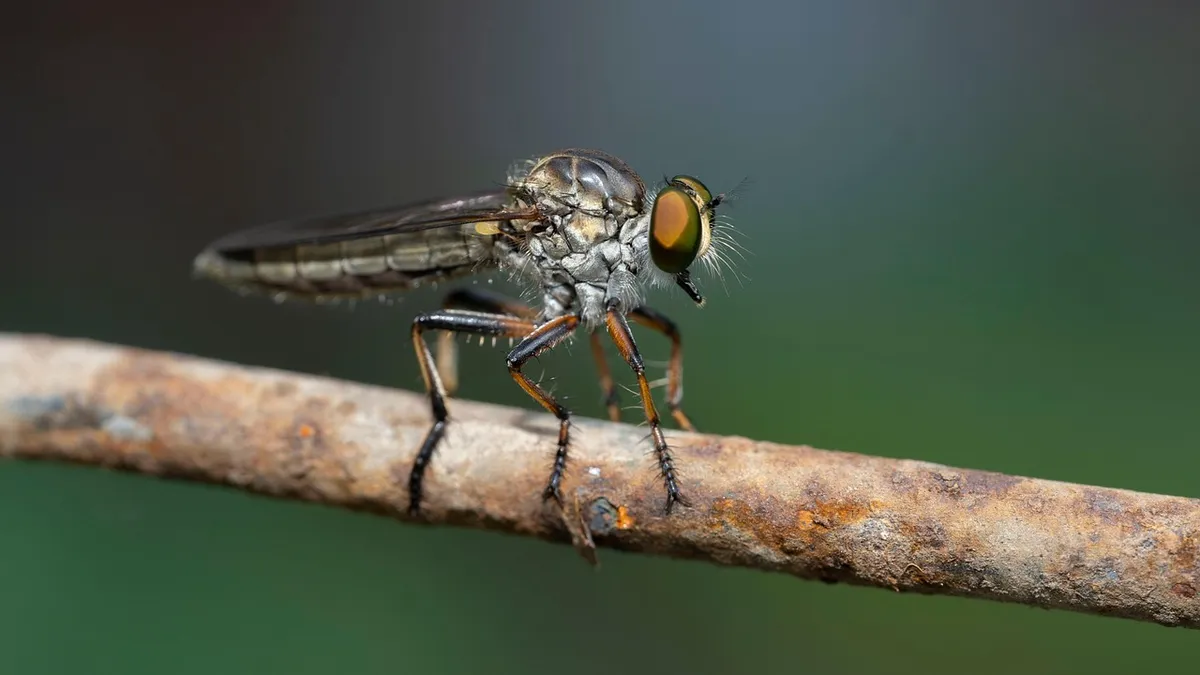
You should use a dry fly when fish are actively rising to the surface to consume insects. This method is highly visual and relies on the fly staying afloat through surface tension. This technique is most effective during hatches when insects are transitioning from water to air.
Dry fly wet fly difference becomes apparent during these active feeding windows. When you observe rings on the water, a dry fly is often the best choice. Using a dry fly allows the angler to witness the strike directly as the fish breaks the surface.
Dry fly techniques are most effective when fish are rising to feed on surface insects.
What are the wet fly advantages and use?
An angler pulls a weighted fly through a deep pool, feeling the subtle tug of the current against the line. The fly moves through the water column, searching for hidden fish.
Wet flies are used to target fish that are not feeding at the surface. Because fish spend the vast majority of their time in deeper water, these flies allow you to reach them. This method is useful when surface activity is low or when fish are holding in deeper currents.
Subsurface fly fishing guide principles suggest that wet flies can mimic various stages of insect life. Since a trout feeds below the water's surface nearly 90 percent of the time, using sinking flies is a highly productive strategy. This approach covers the majority of the trout's feeding zone.
Wet flies allow you to reach fish feeding at various depths and can mimic moving underwater prey.
Comparing fly techniques for different environments
A person sits by a quiet lake, checking the weight of a sink-tip line. The equipment must be carefully chosen to ensure the fly reaches the correct depth.
Choosing between a surface presentation and a deep-water search involves assessing the water's movement and the fish's behavior. The following table compares the two primary methods:
| Feature | Dry Fly | Wet Fly |
|---|---|---|
| Primary Target | Surface-feeding fish | Subsurface-feeding fish |
| Buoyancy | High (floats) | Low (sinks) |
I often find myself switching between these two methods during a single afternoon on the water. When the surface is active, I reach for a dry fly, but when the fish stay deep, I switch to a sinking presentation.
To successfully implement these techniques, follow these steps:
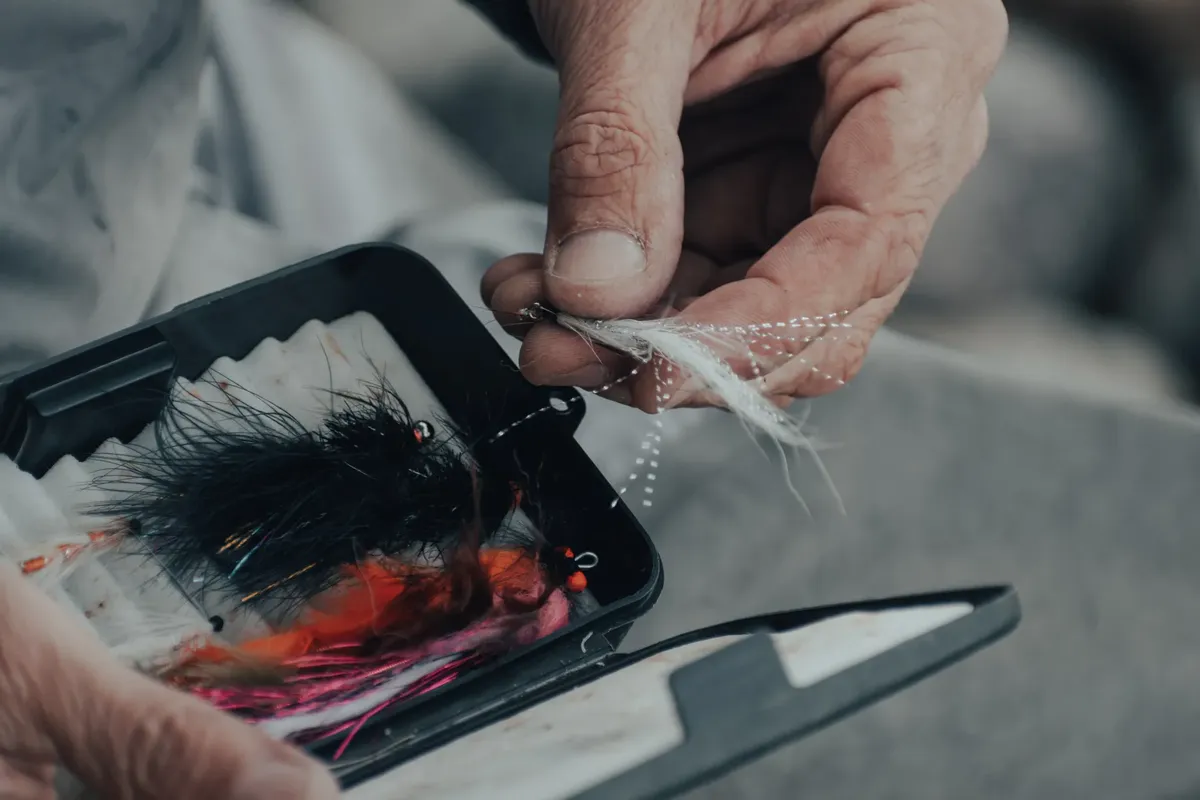
- Observe the water to see if fish are rising to the surface. 2. Match the fly size to the local insect life, typically between 1 and 5 cm. 3. Select a fly type—dry for surface or wet for depth—based on the observed feeding behavior. 4. Check your line weight to ensure it can carry the fly to the intended depth.
A limitation of this approach is that a dry fly's effectiveness is strictly limited to the surface tension of the water.
- Observe the water surface for rising fish.
- Select a fly that matches the current insect activity.
- Adjust your casting technique to match the fly type.
- In this sequence, the second step is the most critical.
The same subject is also called Best fly for surface fishing.
Related

Comments 0