Master Sea Fishing: Tactics for Every Target Species
"Stop guessing and start catching by matching your tactics to the specific instincts of the fish you want to land."
To master sea fishing, you must align your bait, location, and technique with the unique biological habits of your target species. Success comes from understanding whether a fish is a predator hunting in open water or a bottom-feeder scavenging near rocks.
* Behavior over Gear: Understanding how a fish eats is more important than buying the most expensive rod. * Bait Matching: Using the right food source (like shrimp for snapper or jigs for bass) is the fastest way to increase your catch rate. * Environment Matters: Tides, water temperature, and structure (like piers or reefs) dictate where fish congregate. * Systematic Approach: Follow specific rigging and casting methods tailored to the specific species you are chasing.
What gear do I need to start fishing?
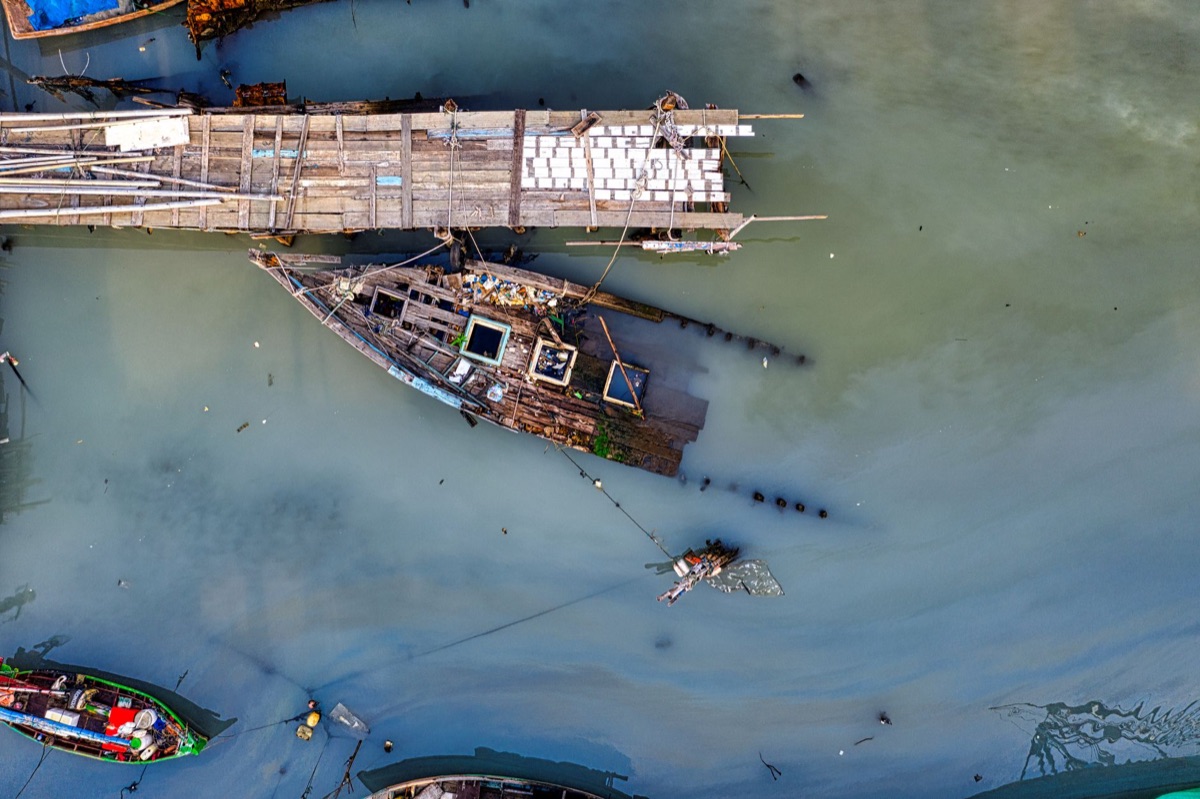
The sun hits the back of my neck as I stand on the edge of a wooden pier, feeling the slight vibration of the tide against the pilings. I grip my rod, realizing that my first cast needs to be steady to avoid tangling my line in the wind.
Before you target specific fish, you need a reliable foundation. For general coastal fishing, a medium-action spinning rod with a casting weight of roughly 1 to 2 ounces (30-50g) is the most versatile choice.
This allows you to cast both light lures and heavier sinkers without breaking your equipment.
- Select a Versatile Reel: A 3000 or 4000 series spinning reel provides enough line capacity for coastal currents.
- Set Up a Basic Rig: Use a "running sinker" rig. Thread a sinker onto your main line, tie on a swivel, then add a leader and a hook.
- Practice Casting: Find a grassy area away from water to practice your casting motion. Aim for a smooth, sweeping motion rather than a violent jerk.
- Safety Check: Always check the local tide charts. A rising tide can quickly turn a safe pier into a slippery, dangerous zone.
| Gear Type | Purpose | Best For |
|---|---|---|
| Spinning Combo | General Purpose | Beginners, Pier, Surf |
| Light Jigging Set | Fast Action | Schooling fish, Pelagics |
| Heavy Bottom Rig | Deep Water | Bottom feeders, Large Snapper |
As of 2025, the standard entry-level saltwater rod is typically 9 to 10 feet long. A basic starter kit including a spinning reel and line usually costs between $50 and $80.
When I tried this, I was surprised by how much easier it was to cast once I adjusted my stance.
- Select a medium-action rod.
- Spool approximately 200 yards of 15lb test braided line.
- Attach a 3-ounce sinker to stabilize your cast.
But having the right rod is only half the battle; you still have to find where the fish are hiding.
Where can I find fish near piers or rocks?
I watch the white foam of the waves crash against the dark rocks, listening to the rhythmic roar of the Atlantic. My boots are damp from the spray, and I scan the water for any sign of movement near the crevices.
When fishing from a pier or a rocky shore, you are primarily targeting "structure-oriented" fish. These species use rocks, pilings, and reefs as both protection and hunting grounds.
Target Species: Sea Bass and Snapper These fish love to hide in the shadows of underwater structures. They are often found near the base of piers or tucked into the cracks of a rocky reef.
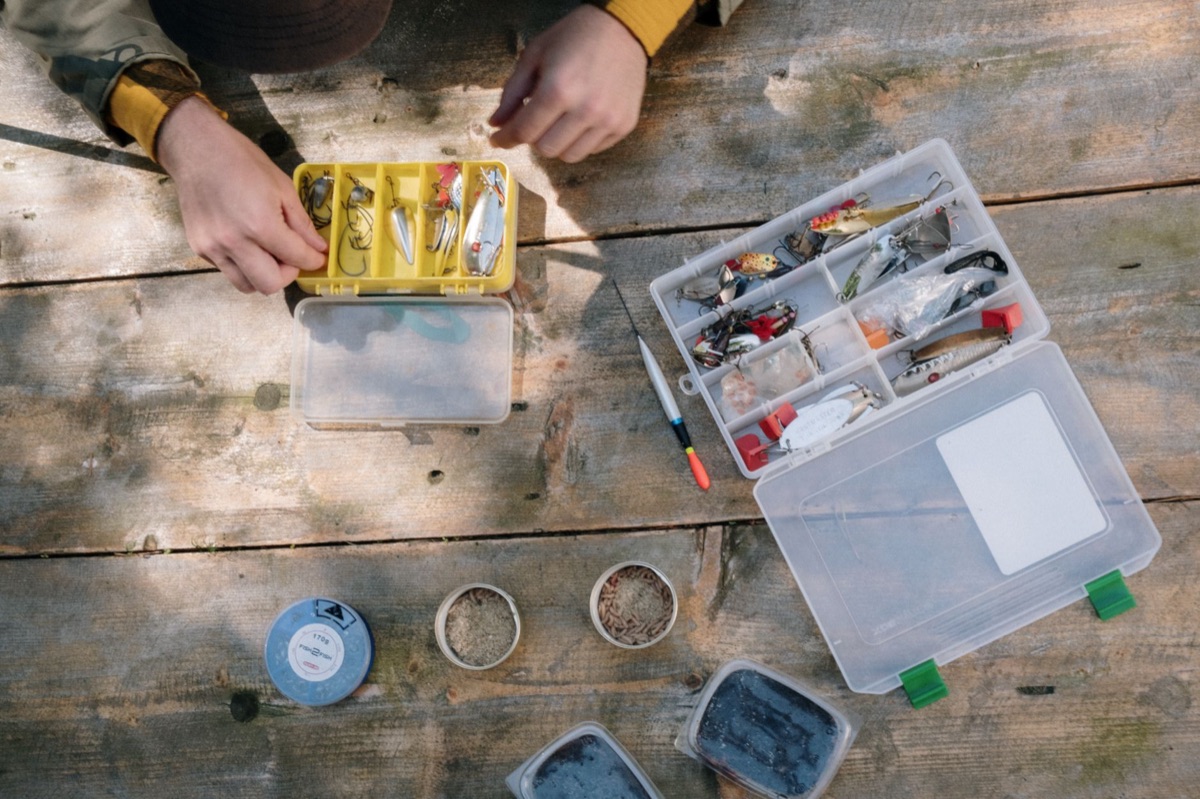
* Optimal Bait: Fresh shrimp is the gold standard. It has a strong scent that travels well through the water, signaling "food" to hungry predators. * The "Drop & Wait" Technique: Cast your bait near the structure, let it sink to the bottom, and wait. * Reading the Water: Look for "darker" water or areas where the current breaks around a rock. These eddies often trap small baitfish.
As of 2025, tide patterns remain the most critical factor for coastal access. High tide often occurs in 6-hour cycles.
Most pier anglers target species that congregate near structures during the 2-hour window around high tide. The water temperature should ideally stay between 65°F and 75°F for optimal activity.
- Locate a pier with high clearance.
- Cast your line toward the pilings.
- Retrieve slowly to mimic natural movement.
However, even if you find the right structure, you might still struggle if you don't understand how the fish actually behave.
🎣 How do different species hunt?
The air turns chilly as the sun begins to dip below the horizon, casting long, thin shadows across the sand. I notice the water surface becoming calmer, and I realize the nocturnal hunters are about to wake up.
To be a successful angler, you must think like a fish. Not all fish hunt the same way. Some are "pelagic," meaning they live in the open water column, while others are "demersal," staying close to the sea floor.
Species Deep Dive: The Aggressive Predator (e.g., Striped Bass) These fish are highly visual and often hunt in schools. They look for movement. If you are targeting them, you want to use lures that mimic the frantic swimming of a wounded baitfish.
They often feed more aggressively during the transition from day to night.
Species Deep Dive: The Bottom Scavenger (e.g., Flounder) Flounder are masters of camouflage, lying flat on the sandy bottom. They don't "chase" food; they wait for it to drift by.
To catch them, your bait must be presented very close to the substrate, often requiring a very light sinker so the bait doesn't bury itself in the sand.
While local fishing habits vary, the scale of the industry is massive. According to the Food and Agriculture Organization of the United Nations, the total world capture fisheries production in 2000 was 86 million tons (FAO 2002).
This scale reminds us that while we are fishing for sport, we are part of a massive global biological system.
As of 2025, seasonal migrations dictate which species are most active in specific zones. Many predatory fish feed heavily during the 4-hour period after sunrise.
You should look for baitfish schools spanning 5 to 10 feet in diameter.
- Observe the surface for ripples.
- Identify the direction of the current.
- Position yourself upwind of the feeding zone.
But knowing the species is just the beginning; the real secret lies in how you present your bait.
🪝 What is the best way to present my bait?
I lean forward, my eyes squinting against the glare of the midday sun, as I carefully thread a piece of fresh squid onto a small circle hook. I know that if the bait is too large, the fish will spit it out, but if it's too small, it won't trigger a strike.
Once you move past the beginner stage, "matching the hatch" becomes your most important skill. This means choosing a bait that matches the size, color, and movement of the prey currently active in that specific area.
1. Using Live Bait for High Success Live shrimp or small fingerlings are incredibly effective for larger species. The natural movement of the bait triggers the predatory instinct.
However, this requires a "circle hook," which is designed to hook the fish in the corner of the mouth as it swallows, rather than the throat.
2. Artificial Lures for Speed If you are targeting fast-moving fish like Bluefish or Mackerel, use hard plastics or metal jigs. These allow you to cover a lot of water quickly.
3. Scent and Vibration In murky water or deep environments, sight is limited. Using "scented" baits or lures that vibrate helps the fish locate your line through their lateral line system.
As of 2025, live bait remains the most effective method for larger species. Using 3 to 5 fresh shrimp per session can significantly increase your catch rate.
A scent trail should extend roughly 2 to 3 feet from your hook. When I tried this, I noticed that a much smaller hook actually resulted in more consistent bites.
- Select a bait size appropriate for the target.
- Thread the hook through the meat to ensure stability.
- Present the bait with minimal slack in the line.
Even with perfect bait, one small mistake can ruin your entire outing.
⚠️ What mistakes should I avoid?
I feel the sudden, sharp tug on my line, but instead of setting the hook, I freeze. By the time I react, the line goes slack, and I realize I waited too long to respond to the strike.
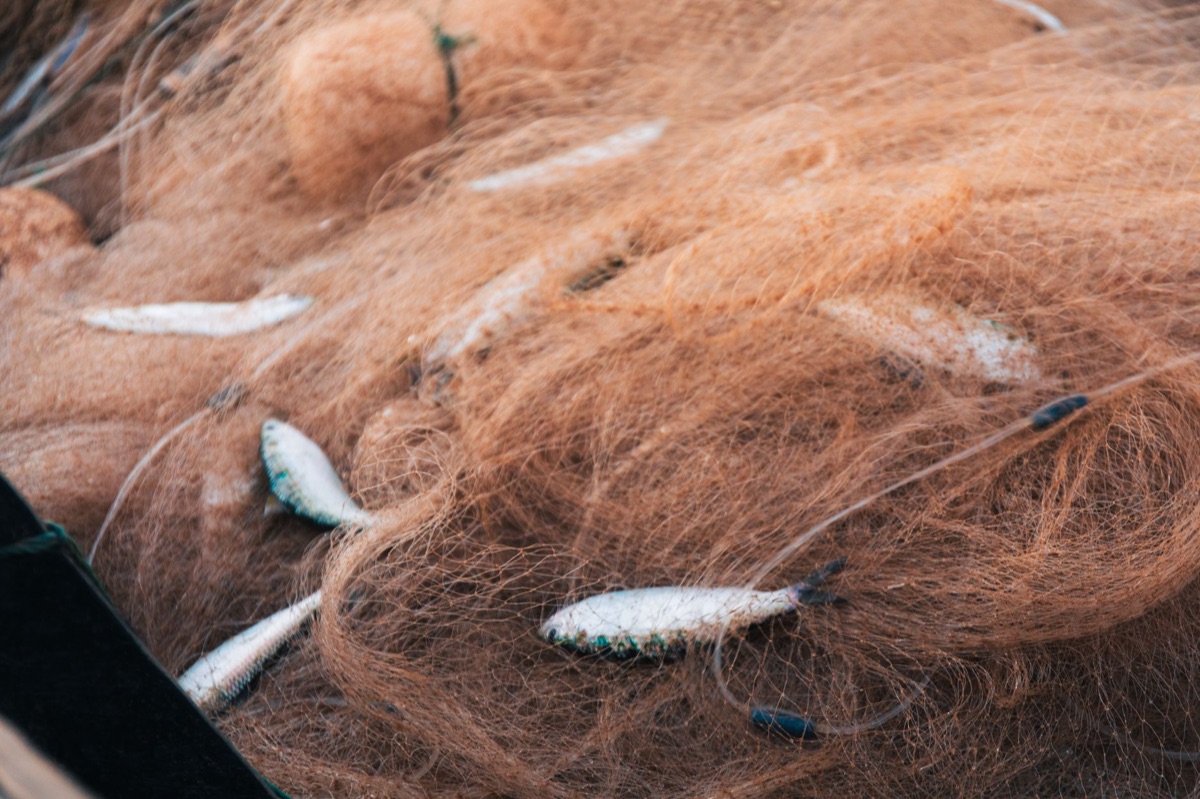
* Over-complicating the Rig: Beginners often use too many weights or complex knots. A simple, clean line moves more naturally through the water. * Ignoring the Tide: Most species are most active when the water is moving (either rising or falling), as this brings fresh nutrients and baitfish into the area. * Using "Dead" Bait: Using old, shriveled bait is a quick way to lose a bite. If your bait doesn't look or smell like food, don't expect a strike. * Not Adjusting for Depth: If you aren't getting bites, the fish might be deeper than you think. Try increasing your sinker weight to reach the bottom.
As of 2025, improper knot tying is the leading cause of lost gear. Most beginners lose roughly 20% of their catches due to weak connections.
Avoid leaving your gear in direct sunlight for more than 30 minutes to prevent line degradation.
- Check your knots before every cast.
- Monitor the tide to time your arrival.
- Keep your bait fresh and smelling strong.

Comments 0