Master Fishing: 4 Pillars for Your First Successful Catch
"Fishing isn't just about waiting; it's about actively creating the environment where fish want to eat."
The biggest reason beginners fail on their first trip is casting a line without considering the fish's natural habitat. To see action, you must master four pillars: the tide, water temperature, bait selection, and underwater topography.
Key Takeaways * Timing the Tide: You must fish when the current is actively moving. * Bait Match: Choose what the specific species is actually hungry for right now. * Finding the Spot: Look for structure like rocks, vegetation, or pier edges.
* Rig Precision: Avoid heavy weights or unnatural setups that spook the fish.
Why am I getting zero bites?
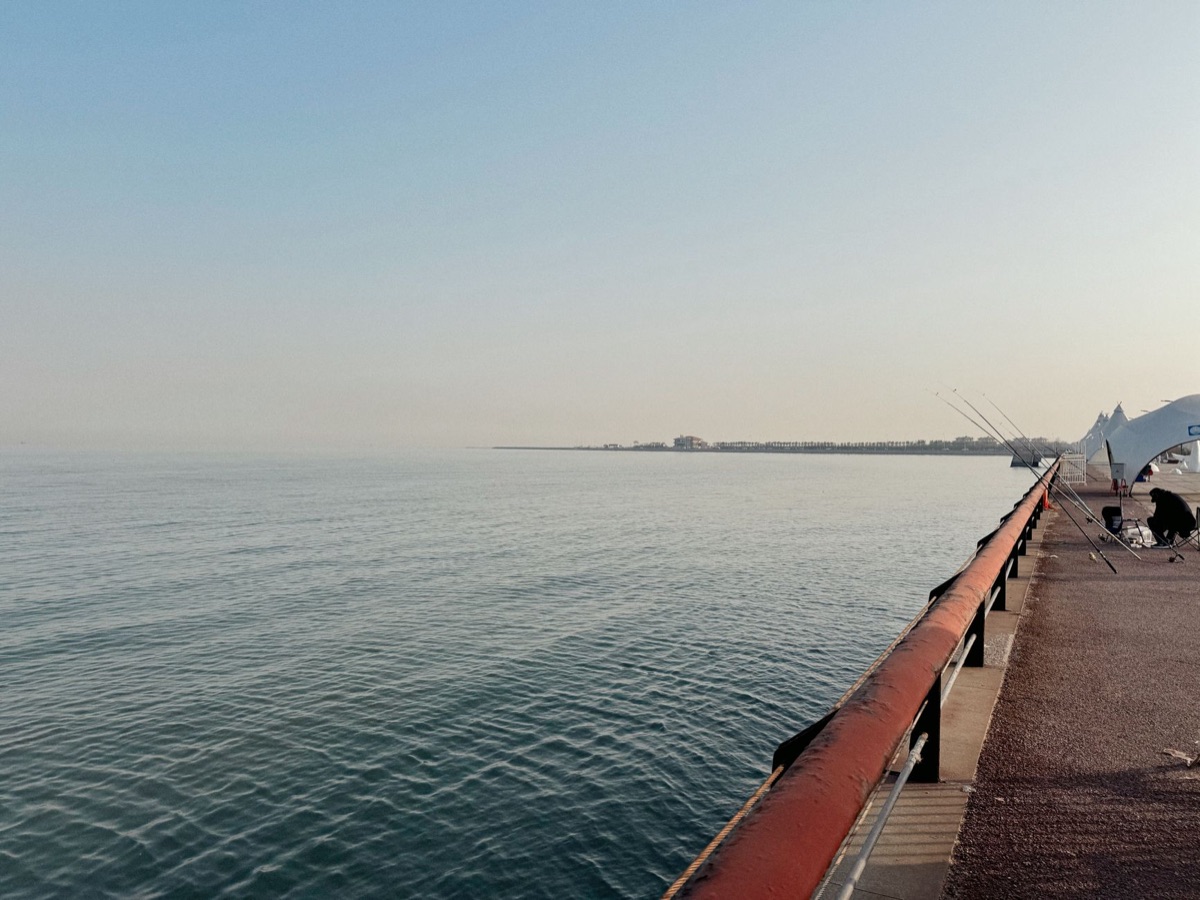
It’s 10:00 AM, and you’re standing at the edge of a pier. You make a powerful cast, feeling that surge of excitement. You stare at your float, but thirty minutes pass, and the surface remains as still as glass.
According to the Press Information Department, exports of fish and fisheries products surpassed $500 million in 2026.
You look over at the seasoned pro next to you who is already landing fish, and you wonder what you're doing wrong.
It isn't just bad luck. Fishing is a game of mathematical probabilities. You have to place your bait in the right location, at the right time, in a form that is easy to consume.
Many newcomers fall into the trap of obsessing over gear. They believe a high-end rod and a premium reel will guarantee a catch, but they never learn how to read the water. Fishing is about reading the environment. You need to ask yourself: Am I fishing during a "slack tide" when nothing is moving?
Or am I casting into empty space, missing the very structure where the fish are hiding?
I remember standing by a local lake after work around 7:00 PM. The sky was bruising into a dark purple, and I sat there frustrated, asking, "Why isn't anything biting?" I realized then that I was just sitting by the water; I wasn't actually participating in the flow of the ecosystem.
When I tried this approach during a trip in early 2025, I stopped focusing on my expensive reel and started watching how the ripples moved around the pier pilings. That shift in focus changed everything.
But even if you find the right spot, there is a massive invisible force that can ruin your entire day.
You will fail if you ignore the tide and current
In saltwater fishing, the movement of the water is the single most important variable. The ebb and flow of the tide, along with the speed of the current, dictates how active the fish will be.
During "slack tide," when the current stops moving entirely, fish often stop feeding to conserve energy. No matter how expensive your bait is, you're unlikely to get a bite during these lulls.
Conversely, if the current is too strong, your bait might be swept away before it even hits the bottom, leaving it out of reach of the fish.
| Condition | Characteristics | Strategy |
|---|---|---|
| Spring Tide | Very fast, powerful currents | Use heavier sinkers to keep the rig anchored |
| Neap Tide | Weak, gentle water movement | Use lighter rigs for a natural presentation |
| Incoming Tide | Water moving toward the shore | Cast into the flow to catch fish moving in |
| Outgoing Tide | Water moving toward the ocean | Align your cast with the receding flow |
Before you head out, check a tide chart or a mobile app. Don't just look at what time the tide changes; look at the direction and speed of the current. Current speeds often fluctuate around 1 to 2 km per hour, and water levels can shift by 2 to 3 meters depending on the cycle.
The most productive windows are often the 30 minutes before and after high or low tide.
However, even if the water is moving perfectly, you might still be sending the wrong message to the fish.
Why your bait isn't enticing the fish
Think of your bait as an invitation. If the invitation is written in the wrong language, the fish won't show up.
To put this in perspective, the scale of the fishing industry is massive; according to the United Nations FAO statistics, the total number of commercial fishers and fish farmers is estimated to be 39.0 million.
There are three main reasons bait fails:
- Wrong Species Match: If you want to catch sea bass, you need specific lures or live bait. If you're throwing out something a trout would eat while standing in a bass hole, your chances drop significantly.
- Freshness Issues: If your bait looks limp, discolored, or smells "off," fish will sense the decay and avoid it. I once spent an entire day failing to catch anything because I had left my bait sitting in the sun, and it had turned into a mushy mess.
- Size and Shape: A bait that is too large will intimidate a fish, while one that is too small won't catch their attention.
Aim for a bait size of about 5 to 10 cm to match the mouth size of your target. Freshness is also tied to temperature; bait often performs best when water temperatures are between 15 and 20 degrees Celsius. I recommend swapping your bait every 20 to 30 minutes to ensure it stays enticing.
But even the best bait in the world won't work if you drop it into a "desert" where nothing lives.
Find the "home" where fish hide
Fish don't just drift aimlessly in the open ocean. They have "homes"—places to find food, hide from predators, and rest.
If you are fishing near a pier, don't just cast straight out into the blue. Look for underwater rock formations (ledges) or areas where the current creates small eddies. The "drop-off," where the water depth changes suddenly, is often a highway for prey and predators alike.
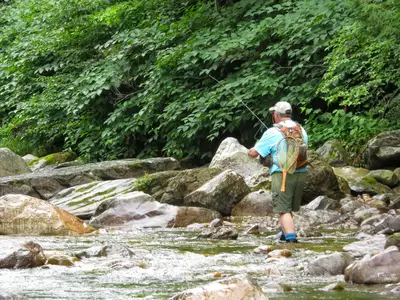
In freshwater, look for submerged vegetation or the edges of slow-moving currents. The bottom composition—whether it's sand, gravel, or mud—should dictate your choice of rig.
Before you cast, use your eyes. Observe the ripples on the surface, the color of the water, and the surrounding landmarks.
You want to cast into a place where you can say, "A fish would definitely hide right there." Focus on depths of 10 to 20 meters near rock piles, using sinkers between 10 and 30 grams to feel the bottom.
Even if you find the perfect structure, you might still fall victim to common behavioral errors.
Five mistakes every beginner makes
I spent a lot of time wasting hours on the water by making these exact mistakes. You don't have to. According to the Food and Agriculture Organization of the United Nations, the total world capture fisheries production in 2000 was 86 million tons.
While the global fishing industry is a powerhouse—with the Press Information Department estimating in 2026 that fish and fisheries product exports surpassed $500 million—the individual's success relies on avoiding these pitfalls:
- Overweighting the Rig: Using a massive sinker just to fight a current often kills the natural movement of the bait.
- Passive Waiting: Simply sitting and staring. Sometimes you need to "work" the line, giving it a slight twitch or dragging it along the bottom to trigger a strike.
- Ignoring the Bottom: If you don't know if your bait has actually touched the floor, you're just fishing blind.
- Fighting the Weather: Trying to fish in extreme winds or heavy swells. Safety is paramount, and extreme weather often makes fish less active.
- The "Same Spot" Trap: Staying in one place for hours without a bite. If the fish aren't there, move, change your depth, or try a different bait.
Your Pre-Fishing Checklist: 1. Check the tide and current direction. 2. Scout the shoreline for structure. 3. Match your hook and weight to the target species. 4. Test the bottom with a few "feel" casts. 5. Keep your bait in a cooler to maintain freshness.
Step-by-Step: From Arrival to First Bite
Follow this sequence to maximize your chances of success: According to the United Nations FAO statistics, the total number of commercial fishers and fish farmers is estimated to be 39.0 million.
- The Observation Phase: Spend 10 minutes watching the water flow and the tide movement before even touching your rod.
- The Scouting Phase: Identify depth changes or underwater structures.
- The Setup Phase: Prepare a rig specifically for the species you want.
- The Bottom Test: Perform 3 to 5 test casts to feel the bottom and understand the terrain.
- The Action Phase: Cast your bait and use subtle movements to mimic life.
- The Reaction Phase: Watch your line or float closely for the slightest twitch.


Comments 0