Freshwater fishing tactics: Understanding global fishing 72%
"The ocean's vastness often overshadows the complex ecosystems of inland waters, yet these environments require specific approaches to successfully engage with aquatic life."
Effective freshwater fishing tactics depend heavily on understanding the specific habitat, whether it be a slow-moving lake or a flowing river.
This guide covers how to adapt your methods to different environments, discusses the scale of global fishing efforts, and highlights the importance of understanding water types. We will explore how to target fish by habitat and provide a brief look at the global fishing landscape.
How do different water types change fishing strategies?
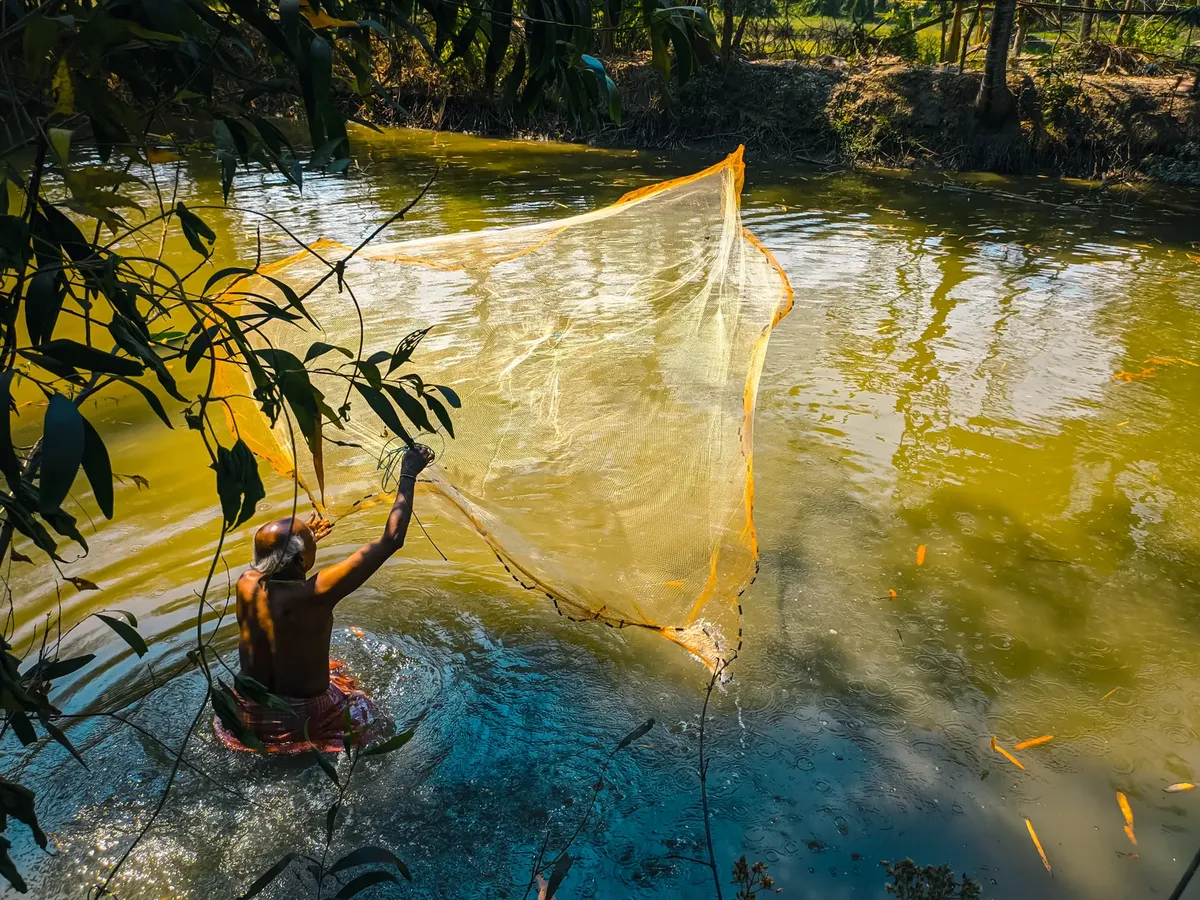
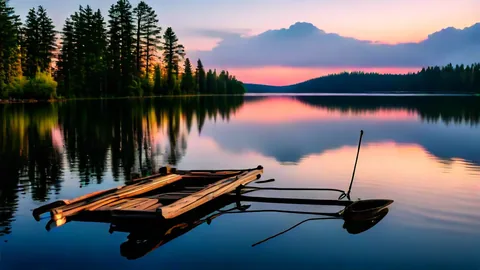
At dawn, I cast my line into the silent lake, feeling the cool breeze as I adjust my grip for the unique challenges of freshwater.
A fisherman stands on a wooden pier, casting a line into the still, glassy surface of a lake. While the water appears calm, the depth and structure beneath the surface dictate where the fish congregate.
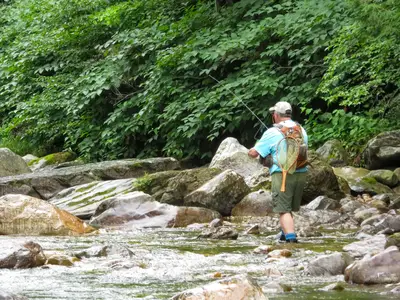
Effective water type fishing guide principles suggest that moving water requires different gear than stationary water. In lakes or ponds, fish often hang near structures or deep pockets, whereas in rivers, they may follow currents or hide behind rocks.
Understanding these nuances is the first step in any successful seasonal freshwater fishing plans.
The scale of global fishing is vast, encompassing various sectors and methods. According to the FAO, fishing includes recreational, subsistence, and commercial fishing, as well as the harvesting, processing, and marketing sectors.
This broad definition covers everything from a single person with a rod to massive industrial operations.
However, these strategies may yield limited results when environmental conditions fluctuate unexpectedly.
What is the scale of the global fishing fleet?
A large vessel cuts through the waves, its massive hull displacing tons of water as it moves toward the horizon. The sheer size of these vessels highlights the industrial side of the industry.
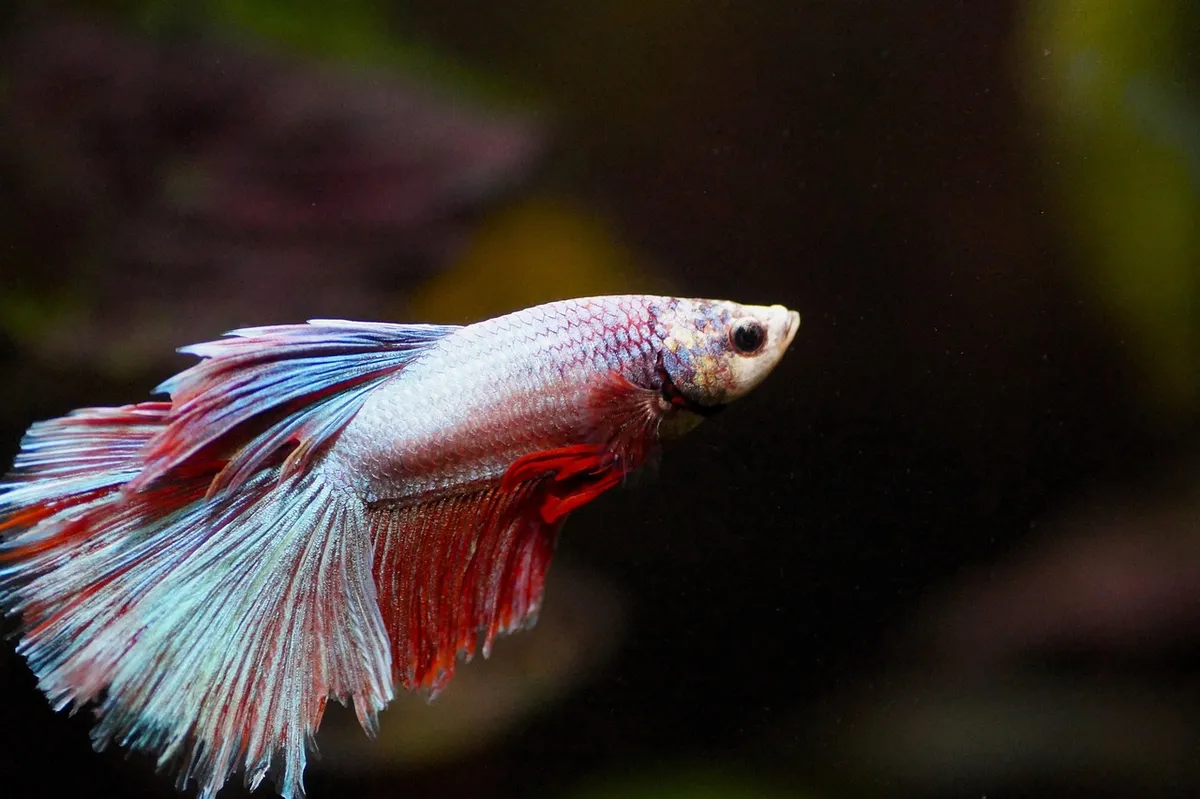
The fishing fleet varies significantly by region and technology.
The world fishing fleet was estimated at about 5 million vessels in 2024, operating mainly in Asia (72% of the total), followed by Africa (18%), Latin America and the Caribbean (6%), Northern America and Europe (2% each), and Oceania (less than 1%).
Motorized vessels represent more than two-thirds of the global fishing fleet, operating mostly in Asia (80%), which also hosts the largest (53%) non-motorized fleet. Africa has the second-largest non-motorized fleet, estimated at 42% of the total.
These figures illustrate the massive human footprint on aquatic environments.
This overview provides a broad perspective on the current state of maritime operations.
How do we target fish by habitat effectively?
At midday, I crouch low in the thick reeds to target fish by habitat effectively, feeling the damp heat of the riverbank while I prepare my gear for the clear freshwater.
An angler moves quietly through thick reeds, careful not to disturb the water's edge. Each step is calculated to avoid spooking the fish hiding in the vegetation.
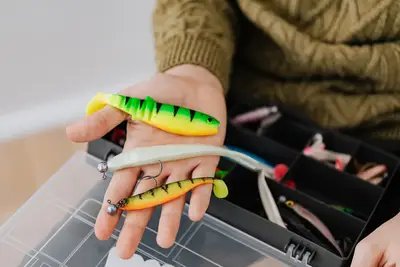
Targeting fish by habitat involves matching your presentation to the environment. In dense vegetation, lighter gear might be necessary to prevent snagging, while open water may allow for heavier setups.
| Fleet Region | Estimated Percentage (2024) |
|---|---|
| Asia | 72% |
| Africa | 18% |
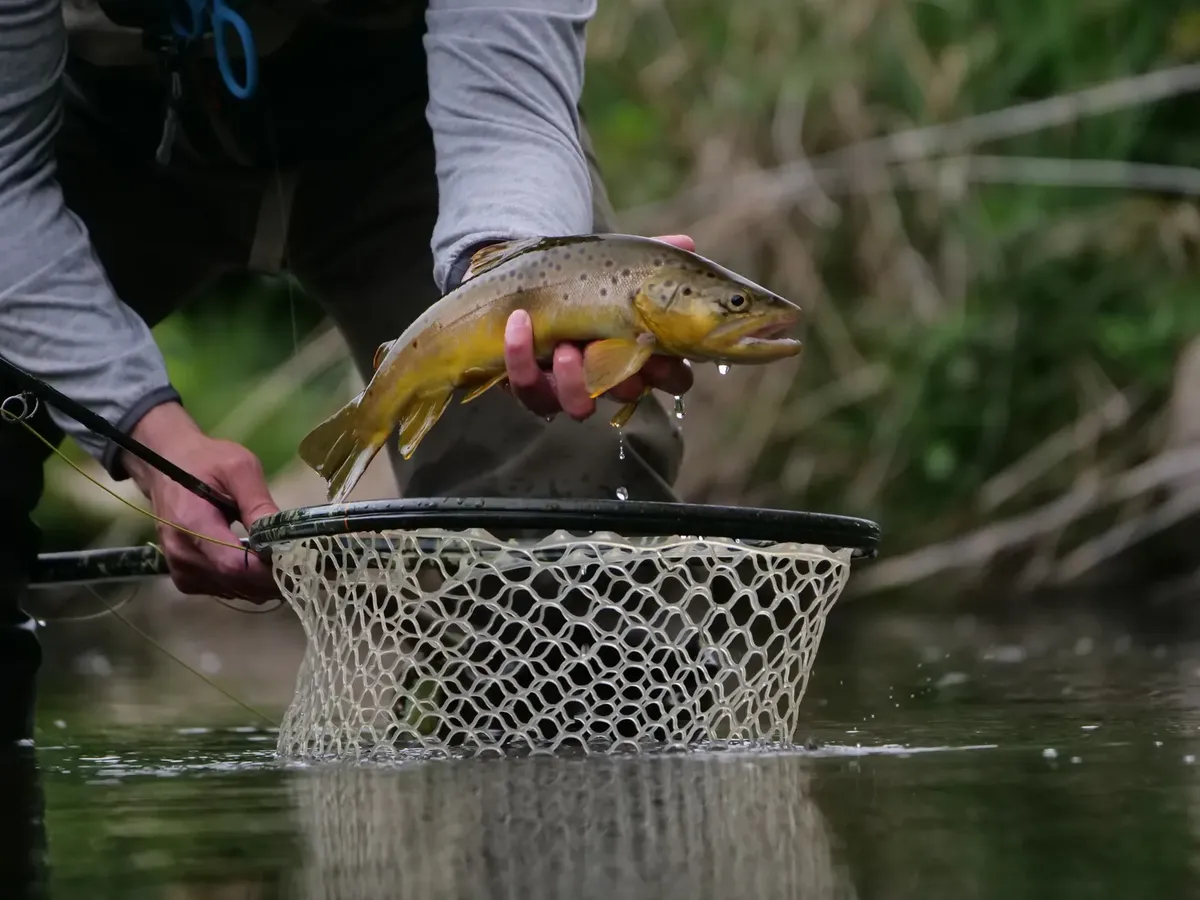
Using a comparison of regional vessel distribution can help one understand where the most intense fishing pressure occurs. I observed how much the Asian fleet dominates the global landscape when looking at these distribution figures.
What are the historical trends in fish consumption?
A family sits around a dinner table, preparing a meal centered on fresh seafood. The variety of choices reflects the global reach of the fishing industry.
Human reliance on fish has remained a consistent part of global nutrition. In 2005, the worldwide per capita consumption of fish captured from wild fisheries was 14.4 kilograms (32 lb), with an additional 7.4 kilograms (16 lb) harvested from fish farms.
This consumption represents a significant portion of the human diet. With other seafoods, it provides the world's prime source of high-quality protein: 14–16 percent of the animal protein consumed worldwide. Maintaining sustainable levels is vital for the future of these food sources.
In this sequence, the second point is the most extensive.
How can we manage fishing resources sustainably?
A researcher reviews data on a tablet, noting the decline in sustainable fish stocks over several decades. The numbers tell a story of environmental change. According to the Federal Trade Commission, farmed freshwater pearls must be referred to as "freshwater cultured pearls" in commerce.
Sustainability is a growing concern for both commercial and recreational fishers. Stocks fished within biologically sustainable levels decreased from 90% in 1974 to 62.3% in 2021.
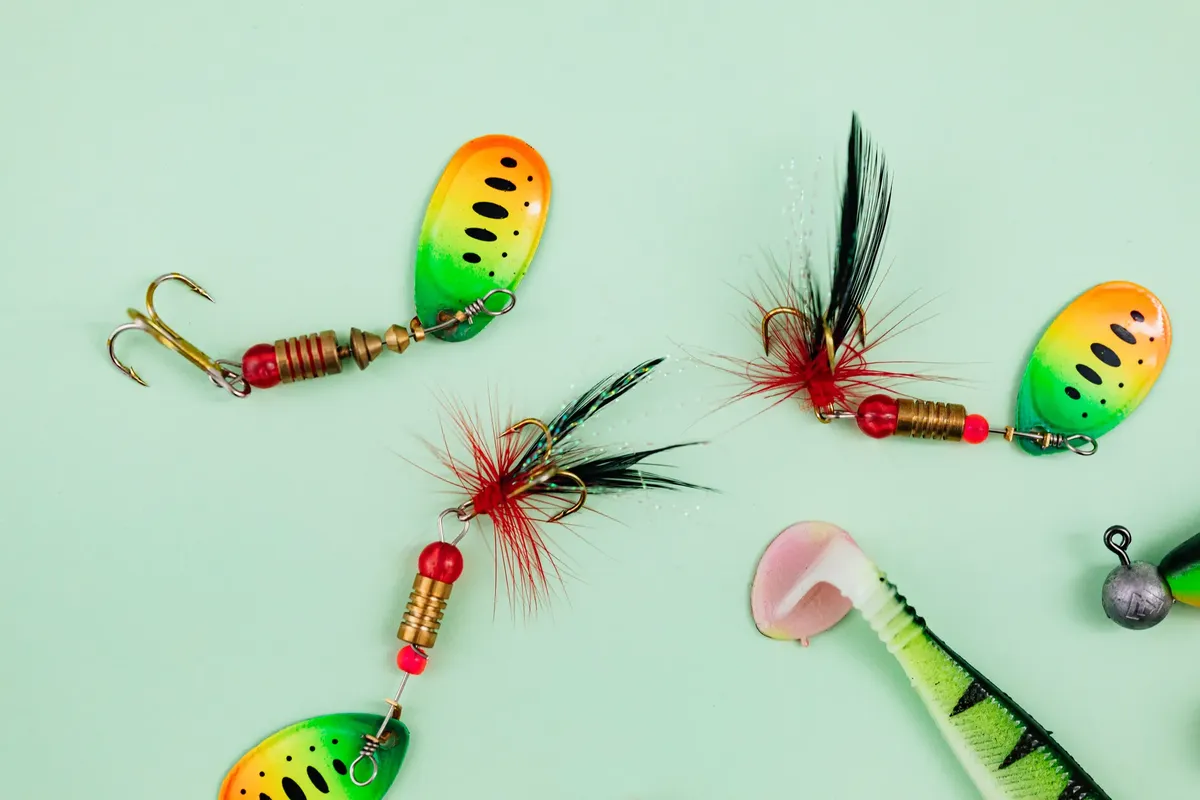
To work toward better management, consider these steps: 1. Monitor local regulations and seasonal limits to ensure compliance. 2. Practice catch-and-release when targeting non-food species to preserve stocks. 3. Use appropriate gear that minimizes unintended environmental impact.
Always check your local fishing guidelines before heading out to ensure you are following current legal requirements.
Nevertheless, the effectiveness of these management techniques is limited when local enforcement is weak.
- How do different water types change fishing strategies?
- What is the scale of the global fishing fleet?
- How do we target fish by habitat effectively?
Related
- Freshwater fishing gear guide tips for choosing right gear
- Trolling 55% catches: Beginner boat trolling guide tips
What are the risks associated with large-scale fishing operations?
The sheer size of the fishing fleet presents environmental challenges. Industrial operations exert considerable pressure on aquatic environments. The vastness of the ocean faces threats from these extensive harvesting methods.
The concentration of fishing activity in certain regions shows where pressure is greatest. Asia's dominance in the fleet, for example, indicates intense localized impacts on marine resources. This comparison of distribution patterns helps illustrate where conservation efforts should focus.
Understanding the ocean's vastness requires acknowledging the impact of these large-scale endeavors. The methods employed by massive vessels can affect habitat structure across wide areas.
These risks are primarily focused on the operational aspects mentioned previously.
How does habitat structure influence gear selection?
The physical makeup of a body of water dictates the appropriate angling tools. In areas with dense vegetation, lighter tackle prevents the line from becoming entangled. Conversely, open water conditions permit the use of heavier equipment for casting.
This adaptation of gear to the environment is crucial for successful angling. The structure beneath the water surface, whether it is a deep pocket or a rocky outcrop, determines fish location. This knowledge allows the angler to match presentation to the specific location.
The complex ecosystems of inland waters demand this tailored approach to fishing. Successful engagement with aquatic life relies on recognizing these environmental subtleties. The ocean's vastness, while different from inland waters, shares the principle that environment dictates method.
Comments 0