Tide fishing strategy guide: Tips for reading water movement
"The movement of the ocean dictates the movement of the fish, making the rhythm of the tides the most critical factor for any angler."
Successful fishing requires aligning your tactics with the tidal cycle to ensure you are casting in areas where fish are actively feeding. This guide covers how to read tidal movements, essential preparation for different water levels, and how to adjust your gear accordingly.
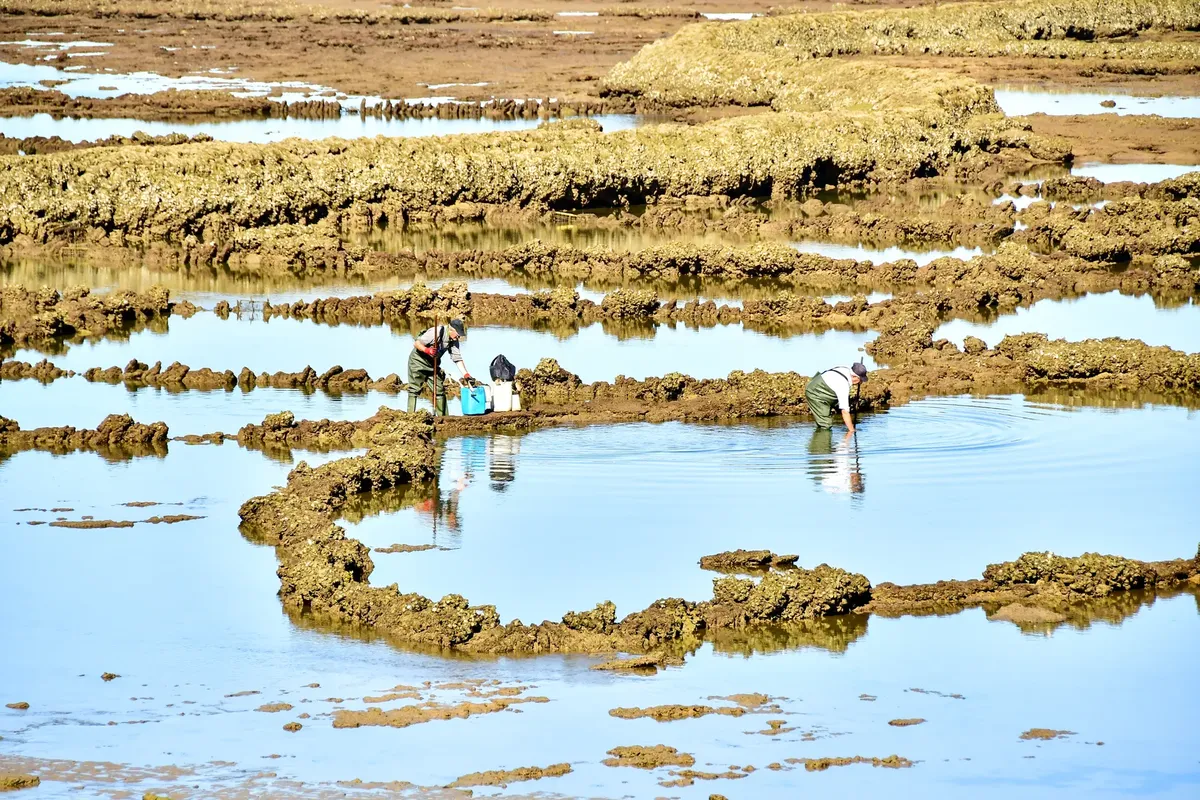
Key takeaways include understanding the relationship between current speed and fish activity, choosing the right habitat, and recognizing when environmental shifts change the game.
How to use a tide fishing strategy guide effectively?
At dawn on the pier, I grip the worn pages of my manual while the rising tide sprays cold salt against my skin.
An angler stands on a weathered pier, watching the water rise against the wooden pilings. The salt spray hits their face as the current pulls steadily toward the horizon.
A reliable tide fishing strategy guide helps you predict when fish will be most active based on the ebb and flow of the sea. By understanding the timing of high and low tides, you can position yourself to intercept fish as they move through different depth zones.
The movement of water changes the visibility and the scent of the bait, which directly affects how fish hunt. Successful anglers use these shifts to move from shallow flats to deeper channels.
- Identify your target species and their preferred tidal stages.
- Cross-reference local tide charts with seasonal weather patterns.
- Adjust your gear based on the predicted water movement.
When is the best time to fish based on the tide?
As the sun dips below the horizon, I grip my rod tightly while the rising tide splashes cold foam against my boots. A fisherman adjusts the tension on a reel while watching a tide table on a smartphone. The sun begins to dip, casting long shadows across the moving surf.
Finding the best tide fishing times often involves targeting the periods of transition, such as the incoming or outgoing tide. During these shifts, the water movement often stirs up nutrients and pushes baitfish into new areas, creating prime feeding windows.
Many anglers find that the hours surrounding high or low tide offer the most consistent action. In many coastal areas, the mid-tide period provides a balance of current and depth that is ideal for various species.
In this sequence, the second step is the most critical for timing your arrival.
How to master tide fishing methods in varying depths?
At the edge of the rocky pier, I cast my heavy line into the deep blue as the surging tide pulls at my legs.
A person carefully secures a heavy sinker to a line, preparing for a strong current. The sound of the crashing waves fills the air as the tide pushes inward.
Mastering specific tide fishing methods requires adjusting your tackle to handle the strength of the water. When the current is strong, you may need heavier weights to keep your bait in the strike zone.
If the water is moving too quickly, your line might drag, making it difficult to feel a bite. Conversely, during slack water, you might need to change your presentation to keep the bait moving naturally.
How do I learn to read the water? A group of anglers gathers around a map, pointing to coastal inlets and deep channels. The wind picks up, signaling a change in the local weather.
Learning how to read tides involves more than just looking at a calendar; it requires observing the physical environment. Follow these steps to improve your ability to predict fish movement:
- Observe the current speed by watching how debris or seaweed moves across the surface. 2. Identify the depth of your target area to determine if fish are congregating in deep holes or shallow flats. 3. Monitor the transition periods to see how the water level changes the accessibility of your chosen spot.
I once spent an entire afternoon watching the tide recede to understand exactly where the small baitfish hid in the rocky crevices.
What are the advanced tide fishing techniques for experienced anglers?
An experienced angler casts a long rod toward a distant reef, eyes fixed on the tip. The rhythmic sound of the ocean provides a constant backdrop to the task.

Advanced tide fishing techniques often involve targeting specific structures like reefs or sandbars that become exposed or submerged.
The Australian Fisheries Management Authority (AFMA) recognizes the impact that bottom trawlers may have on sensitive habitat areas, like reef structures (AFAFMA, 2020).
When fishing near these structures, you must account for how the tide interacts with the terrain. Understanding how the water flows around obstacles allows you to place your bait exactly where fish wait to ambush prey.
This part also covers Beginner tide fishing tips.
Related
- Moon cycle guide it controls water movement for anglers 1
- Fish species fishing tactics: Guide to global harvest scales
How does the ocean movement influence gear selection?
Gear selection must correspond to the anticipated strength of the ocean movement. When the current proves powerful, employing heavier sinkers ensures the bait remains within the effective strike zone.
According to The Australian Fisheries Management Authority, the organization recognizes the impact that bottom trawlers may have on sensitive habitat areas, like reef structures (AFMA, 2020).
Conversely, if the ocean movement slows to a near standstill, a lighter setup allows for more subtle presentation of the bait. This adjustment is crucial for matching your technique to the current conditions.
When should an angler prioritize depth versus current?
An angler should prioritize depth when the tide is moving slowly, allowing for precise placement in deeper channels. If the ocean movement is rapid, the angler must focus on keeping the bait presented near the surface or within the immediate current flow.
Recognizing this trade-off helps the angler capitalize on the specific feeding patterns dictated by the water's state.
When reading the water, observing the debris movement provides insight into the ocean movement's speed. This observation allows the angler to decide whether to target shallow flats or deeper holes based on the current's force.
How does the ocean movement affect bait presentation? When the ocean movement is strong, the angler must use a presentation that resists the pull of the current, ensuring the bait stays in the optimal feeding area. If the movement of the ocean is minimal, a more delicate presentation allows the bait to drift naturally with the subtle water shifts. This careful consideration of the movement is vital for catching fish.
What are the conditions that signal a shift in fishing strategy? A change in the movement of the ocean, such as a sudden increase in current speed, signals a need to adjust gear immediately. Observing how debris moves across the surface offers a direct indicator of this environmental shift. Recognizing these conditions helps the angler transition between different fishing approaches effectively.
The relationship between the movement of the ocean and fish activity dictates when the angler should focus on depth versus current. When the movement is predictable, the angler can plan their approach with greater certainty.
This awareness of the ocean movement allows the angler to anticipate how the water will behave as the tide progresses through its cycle.




Comments 0