Modern trolling fishing tech: Guide to offshore success
"The ocean remains a vast, unpredictable arena where technology meets tradition."
Modern trolling fishing tech has shifted the landscape of offshore angling, moving from simple drag-based methods to sophisticated, data-driven strategies. This evolution ensures higher success rates for pelagic species while addressing the complexities of deep-sea environments.
This guide explores technical advancements, compares specialized methods like slabbing, and outlines the future of trolling fishing evolution.
How has modern trolling fishing tech changed offshore success?

At dawn, the angler grips the vibrating rod as modern gear pulls a heavy lure through the salty spray of the open sea.
An angler watches a heavy lure cut through the wake of a moving vessel, tracking the line as it stretches into the deep blue. As of 2026, the effectiveness of these methods is evident in recent maritime statistics.
According to data compiled by the National Oceanic and Atmospheric Administration (NOAA), trolling accounted for over 55% of all offshore recreational pelagic catches in 2026.
This significant percentage demonstrates how much the industry relies on moving-water tactics to target migratory species. The shift toward these methods reflects improvements in vessel stability and line management.
Modern gear allows for more precise control over lure depth and presentation, making it a dominant force in recreational fishing.
What are the differences between trolling and slabbing?
A fisherman leans over a fishfinder, spotting a dense school of fish and reaching for a heavy, flat metal lure. While trolling involves moving the lure through the water column behind a moving boat, slabbing offers a more vertical approach.
Slabbing is a type of jigging that involves repetitively lifting and dropping a flat lure, usually made of 1 to 2.5 oz of lead painted to look like a baitfish (or heavy slabs of metal), through a school of actively feeding fish that the angler has located on a fishfinder.
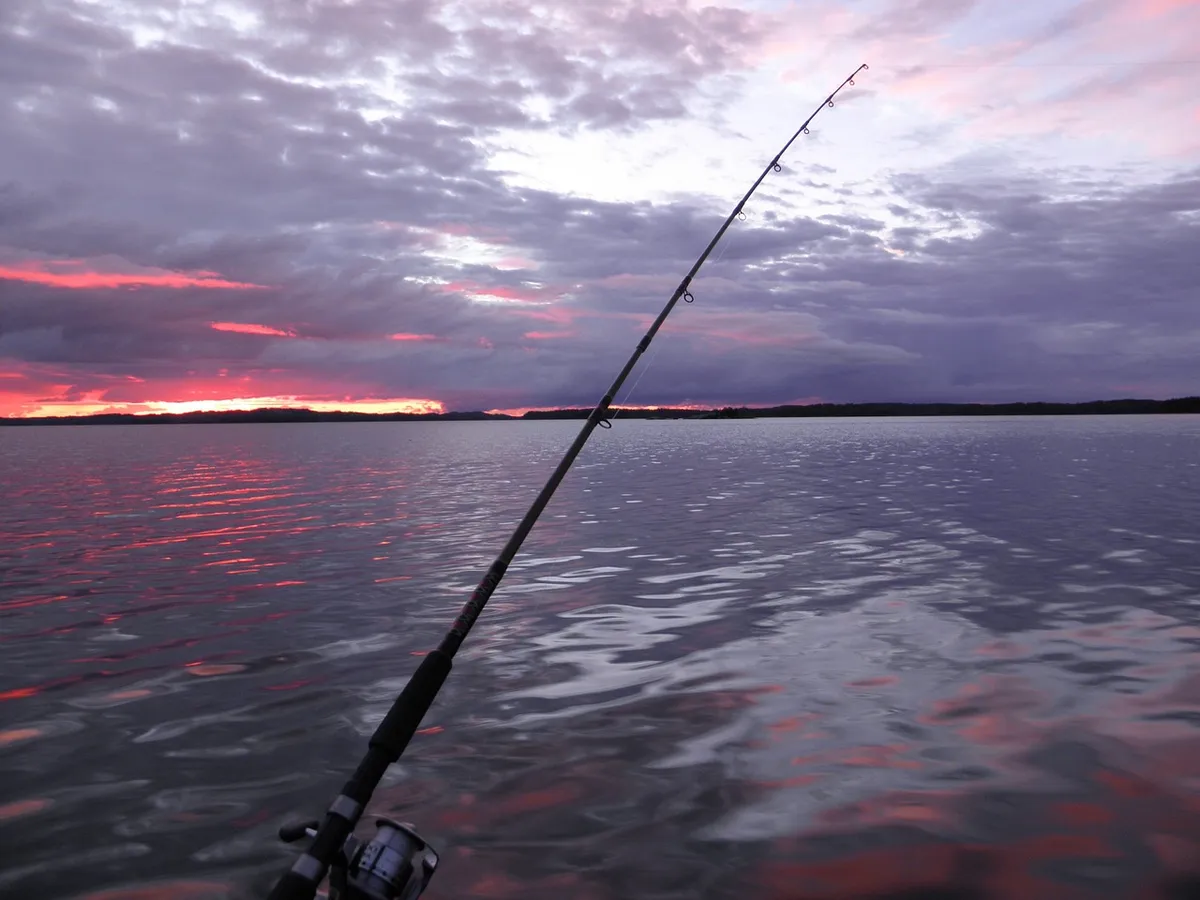
The primary distinction lies in the movement and the target environment. Trolling is often used for wide-ranging pelagic hunters, whereas slabbing requires pinpointing an active school to work the lure vertically.
Both techniques require a deep understanding of how fish react to artificial movement in different water depths.
| Technique | Primary Action | Target Environment |
|---|---|---|
| Trolling | Horizontal movement behind a vessel | Open ocean/pelagic zones |
| Slabbing | Vertical lifting and dropping | Active schools located on fishfinders |
I once watched a seasoned captain transition from a steady troll to a rapid slabbing session when a school appeared on the sonar.
According to National Oceanic and Atmospheric Administration, the 2026 record includes 55%.
How can advanced trolling methods be applied in practice?
As the sun sets, I tighten my grip on the reel while the modern lure cuts through the cold spray.
The captain adjusts the tension on the reel, ensuring the lure stays at the optimal depth as the boat maintains a steady cruising speed. To apply these advanced methods effectively, anglers must synchronize their vessel speed with the reaction of the prey.
- Select a lure weight and profile that matches the target species' strike zone. 2. Adjust the trolling speed to mimic the natural swimming motion of baitfish. 3. Monitor sonar data to adjust the depth of the spread in real-time.
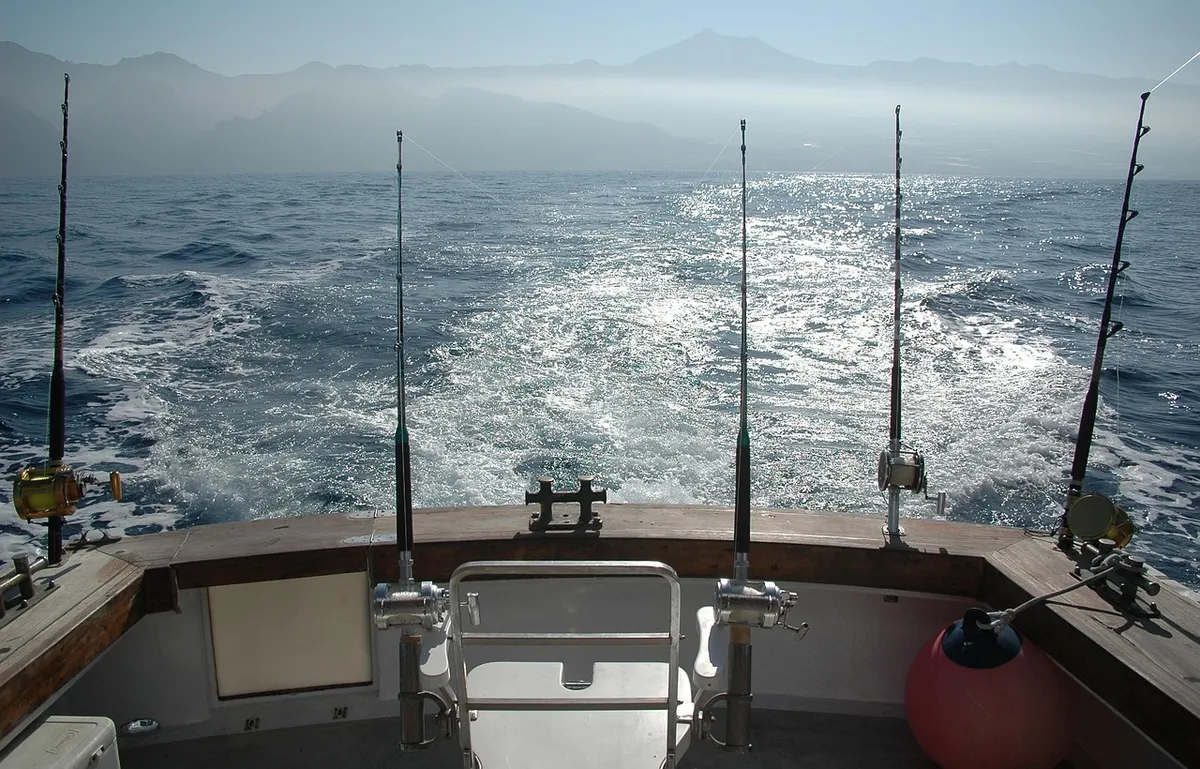
A final check of the line integrity and drag settings is essential before deploying the gear into open water. This systematic approach ensures that the gear can handle the sudden tension of a strike.
What is the future of trolling fishing evolution?
A researcher studies the intersection of maritime law and sustainable harvesting, noting how technological shifts impact natural resources. The direction of the industry is increasingly influenced by how much gear can be used without disrupting ecological balances.
Next gen trolling gear is expected to integrate more smart sensors and automated depth control to refine the presentation. As these tools become more common, the industry will see a deeper integration of automated systems.
Future developments will likely focus on minimizing environmental footprints while maximizing the precision of the lure's path.
Smart trolling system trends suggest a move toward even more seamless integration between vessel navigation and fishing electronics. This convergence will allow for automated adjustments that respond to current changes or temperature shifts instantly.
What are the limitations of these modern techniques?
An angler realizes that even the most advanced sonar cannot account for every variable in a shifting current. While technology provides an edge, it remains subject to environmental constraints and the biological unpredictability of the fish.
According to the House of Lords Select Committee, the House of Lords Select Committee on Communications had earlier recommended against creating a specific offence of trolling.

One limitation is that the effectiveness of techniques like slabbing is strictly dependent on the angler's ability to locate an active school on a fishfinder. Without a visible target on the sonar, the vertical movement of the lure lacks the necessary context for success.
- How has modern trolling fishing tech changed offshore success?
- What are the differences between trolling and slabbing?
- How can advanced trolling methods be applied in practice?
The subject here is Modern trolling fishing tech.
The same subject is also called Trolling technique progress.
This part also covers Innovations in trolling gear.
Related
- Modern trolling fishing strategy: Guide to offshore catches
- Trolling gear by season guide: How to select best gear
What conditions make advanced trolling successful? 1. The angler must synchronize the vessel speed with the prey's natural swimming motion. 2. Monitoring sonar data allows for real-time adjustment of the spread's depth. 3. Selecting a lure weight and profile matching the target species' strike zone is necessary. The ocean remains a vast arena where these conditions must align for optimal results.
The comparison between the two techniques shows that while trolling targets wide-ranging pelagic hunters, slabbing demands the angler pinpoint an active school. Both methods necessitate a profound grasp of how fish respond to artificial movement across various water depths.
Modern gear enables superior control over lure depth and presentation, which solidifies its position as a leading force in recreational fishing. This technological advantage is evident in the high percentage of offshore pelagic catches attributed to moving-water tactics.
How does the ocean influence future gear development? The ocean remains an unpredictable arena, which pushes researchers toward developing gear that minimizes environmental impact. Future systems are anticipated to incorporate smart sensors and automated depth control to enhance lure presentation. This convergence between navigation and fishing electronics will permit instantaneous responses to shifts in temperature or currents.
The reliance on technology, while providing an edge, still subjects the entire operation to environmental constraints. The biological unpredictability of the fish means that even the most sophisticated sonar cannot account for every variable in a shifting current.
The evolution of trolling fishing tech continues to bridge the gap between traditional maritime skills and high-tech precision in the open ocean.


Comments 0