Family sea fishing fish choice: How to select species
"Choosing the right species for a family outing requires understanding seasonal shifts and biological realities."
This guide covers seasonal species selection, safety regarding parasites, and how to manage expectations based on size and habitat.
* Prioritize food safety by managing parasite risks through proper freezing. * Understand species size limits to set realistic family goals.
How do seasonal shifts affect the best fish for family trip planning?
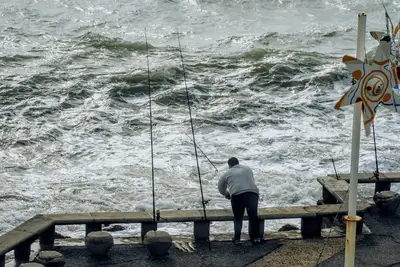
As the cold autumn wind bites at my cheeks, I scan the pier to ensure our seasonal catch will satisfy the whole family.

Selecting a target species requires looking at the calendar to ensure the catch rate remains high for children and adults alike.
Effective seasonal fishing turns the tide in favor of the angler. For instance, according to IHS Markit (S&P Global) market insights, global fishing tackle sales can rise by up to 40% during peak summer months.
This surge reflects the popularity of warm-weather outings where certain species are most active.
Choosing catch by time ensures that the gear matches the biological activity of the water. While summer offers high activity, other seasons present different challenges, such as the fivefold increase in licensing applications for winter fishing noted by the Ontario Ministry of Natural Resources.
Successful trips depend on pivoting to species that thrive in the current temperature.
- Check local migration patterns to ensure active fishing. 2. Match the season with species that are easier for children to handle. 3. Plan trips around peak feeding times to increase success rates.
Why is understanding species size important for seasonal fish targeting?
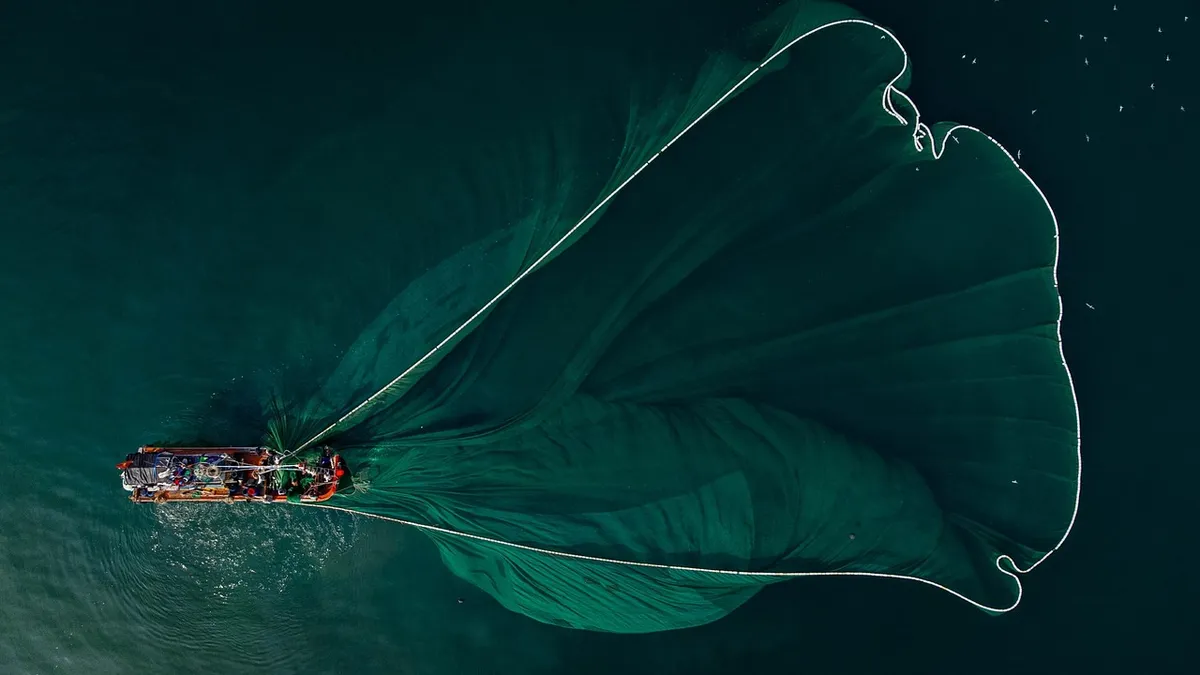
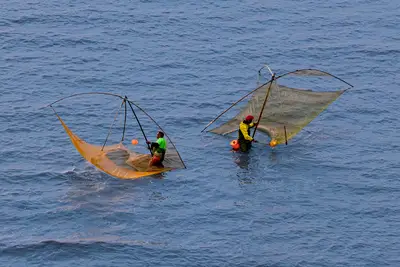
Lifting the heavy net onto the wooden dock at noon, I realize the massive size of this prize will change our entire family dinner plan.
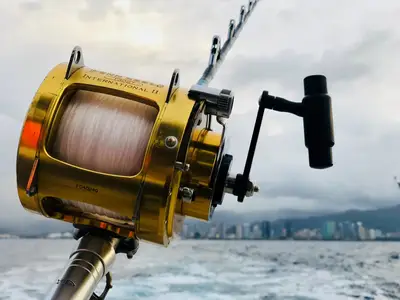
A heavy fishing reel clicks as a large shadow moves beneath the surface of the clear blue water. Families must decide whether to target smaller, more manageable fish or go after legendary giants.
The scale of different species can drastically change the fishing experience. For example, blue marlin are one of the world's largest bony fish, and while adult males seldom exceed 330 pounds (150 kg), females may reach far larger sizes well in excess of 1,000 pounds (450 kg).
A "grander" is a term used for a blue marlin that weighs over 1,000 pounds (450 kg). While such massive specimens are incredible to witness, they are not practical for standard family gear. Most recreationalists focus on species that fit their equipment and physical ability to manage the fight.
In this order, the second step is the most important.
How can we manage food safety when selecting fish?
A fisherman cleans a fresh catch on a wooden deck, carefully inspecting the fillets under the bright midday sun. Safety remains a primary concern when bringing seafood from the sea to the dinner table.
When selecting fish for consumption, one must account for biological risks. A study in Seattle, Washington showed that 100% of wild salmon had roundworm larvae capable of infecting people. This reality necessitates careful preparation of any wild-caught fish intended for eating.
To mitigate these risks, follow these food safety steps: 1. Identify the species and its known parasite risks. 2. Freeze raw fish to an internal temperature of −20 °C (−4 °F) for at least seven days to kill parasites. 3. Inspect the meat thoroughly before cooking.
I once prepared a meal where we had to ensure the temperature reached the necessary levels to remain safe. This precaution is vital when the goal is a healthy family meal.
What are the limitations of certain species?
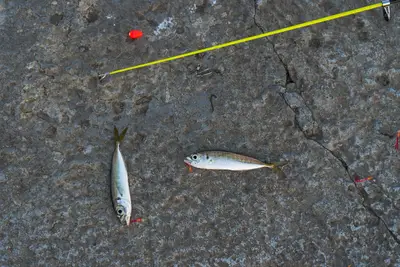
A fisherman looks at a small, damaged fish and considers the environmental factors at play. Some species face natural challenges that make them unreliable targets for a successful trip.
Environmental factors can lead to unexpected mortality in certain populations. On the Pacific coast of Canada, the louse-induced mortality of pink salmon in some regions is commonly over 80%. Such high mortality rates can make specific species an unreliable choice for a planned outing.
A limitation of targeting certain species is the environmental variability, such as high mortality rates in specific salmon populations.
Is there a difference between commercial and recreational targets?
A group of anglers gathers around a large net, comparing their catch to the massive fish seen in professional markets. Understanding the difference between a hobbyist's catch and a commercial haul helps set expectations for a family day out.
According to the Food and Agriculture Organization, it is estimated that over 120 million people depend on fishing for their livelihoods, either directly or indirectly.
According to the Ontario Ministry of Natural Resources, licensing applications for winter fishing increase fivefold during this period.
The gap between recreational catches and commercial specimens is often vast. While a family might celebrate a large catch, commercial fishermen have boated far larger specimens, such as a blue marlin supposedly weighing 2,438 pounds (1,106 kg) brought into Tsukiji market in Tokyo.
| Category | Species Example | Notable Size Detail |
|---|---|---|
| Recreational | Blue Marlin (Male) | Typically under 330 pounds |
| Commercial | Blue Marlin | Potential to exceed 2,438 pounds |
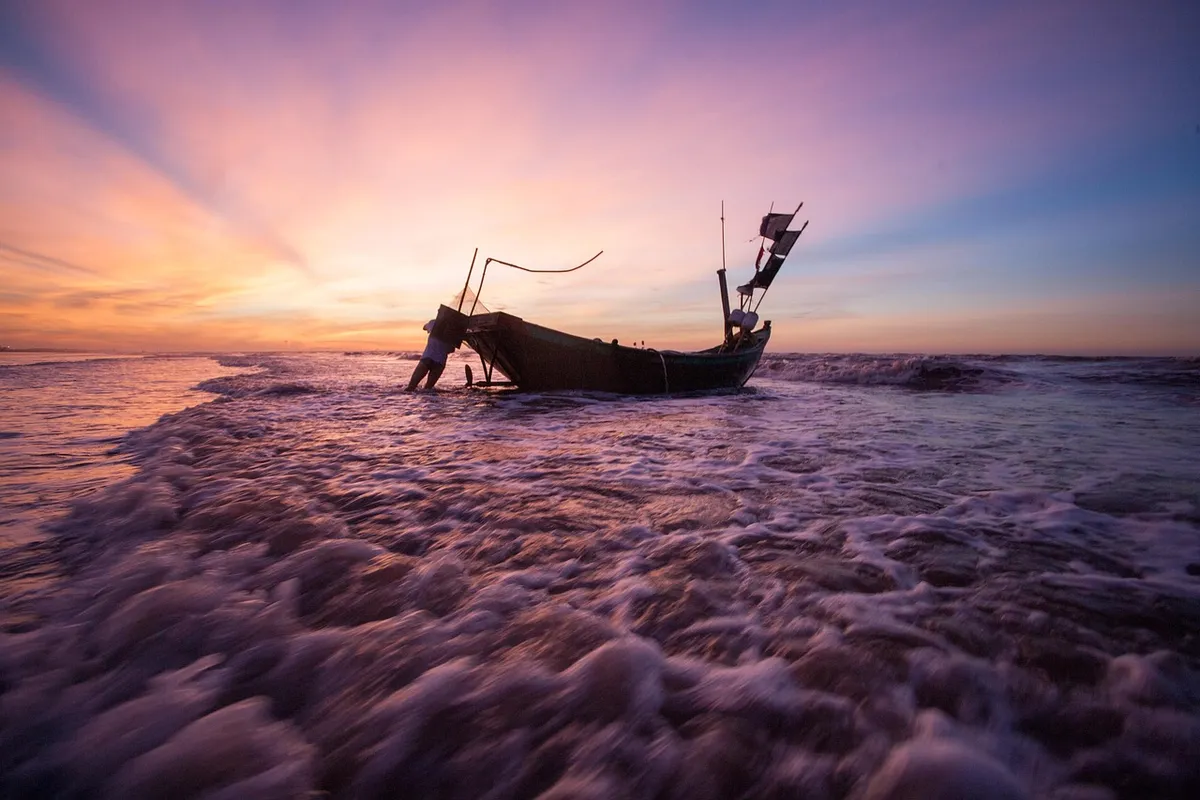
The table illustrates how size expectations vary between different types of fishing. Most families will not encounter the massive weights seen in professional maritime markets.
- Successful family sea fishing fish choice depends on matching the target species to the specific time of year and local environmental conditions.
- Key takeaways:
- * Align fish selection with seasonal trends to increase catch rates.
- An angler stands on a sun-drenched pier, checking the tension on a light rod while the tide rolls in.
Family sea fishing fish choice
The same subject is also called Fishing species guide.
This part also covers Tide flow impact on catch.
This part also covers Best season for sea fishing.
Related
- Seasonal sea fishing gear guide: Summer gear tips 40%
- How to read tide tables: Tips for sea fishing success
What cautions apply when choosing the right species for a family outing?
- Always verify local regulations regarding catch limits before embarking on the trip. 2. Remember that the environmental variability can render certain species unreliable targets despite favorable seasonal predictions. 3. Prioritize the physical capability of the family members when choosing the right species to manage the catch.
The selection process requires careful consideration of the gear available to the family. If the equipment is designed for smaller fish, pursuing a species known for immense size presents a significant challenge. This caution applies even when the season is ideal for that particular species.
When considering the right species, one must weigh the potential for a spectacular catch against the practical realities of the outing. For instance, while blue marlin represent a pinnacle of achievement, their sheer size dictates a specific level of gear and physical stamina.
The comparison between recreational and commercial targets highlights this practical difference. A family outing should align its aspirations with what standard recreational gear can reasonably manage. Choosing the right species involves this balancing act between ambition and equipment capability.


Comments 0