Sea fishing tide guide: Best tide for sea fishing tips
Finding the best tide for sea fishing requires understanding how water movement affects marine life and habitat accessibility. This guide covers how to analyze water conditions, choose locations based on environmental features, and prepare for varying sea states. Key takeaways include observing water movement, understanding habitat-specific movements, and preparing for seasonal changes.
How can you find the best tide for sea fishing?
At dawn, the angler stands on the salt-sprayed pier to observe the rising water before starting his sea fishing.
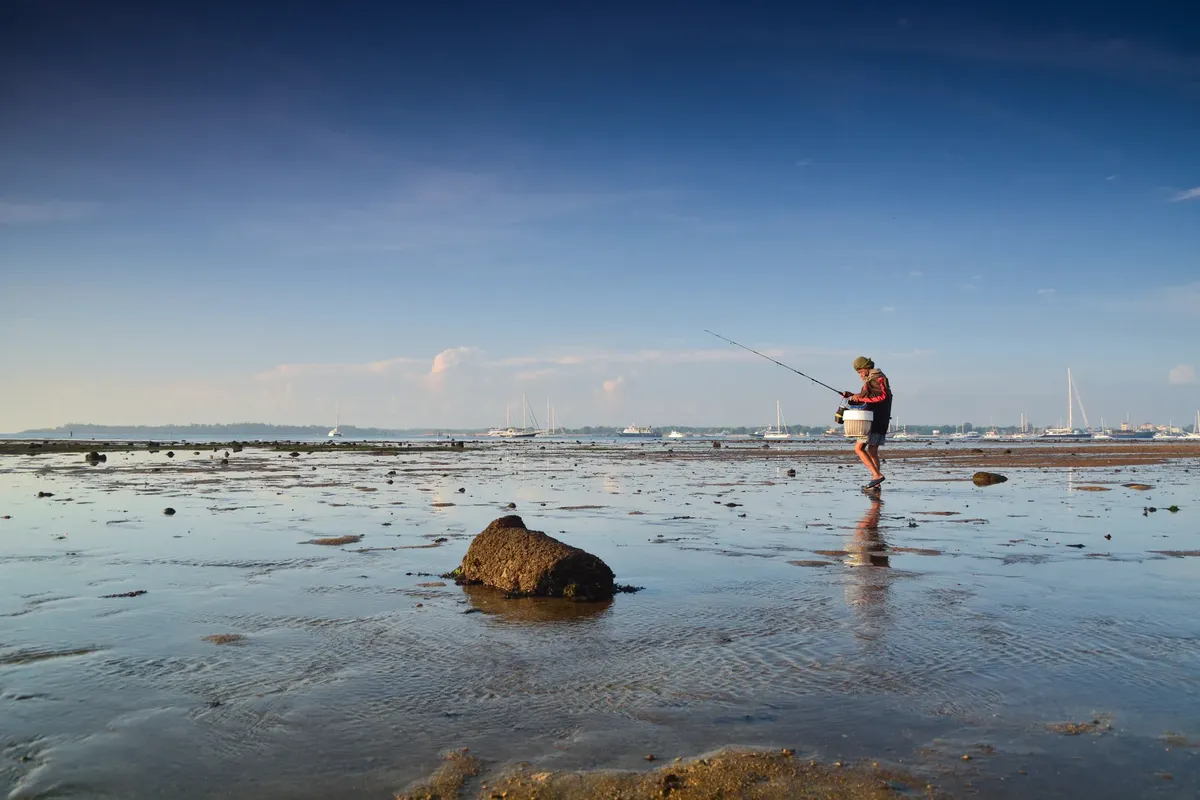
A fisherman stands on a rugged pier, watching the tide creep steadily toward the wooden pilings. Selecting the right time is fundamental to success when targeting specific species.
Effective fishing often depends on the movement of the water rather than a static moment in time. When the tide is moving, it carries nutrients and oxygen, often triggering feeding behaviors in various marine species.
Understanding these shifts helps in choosing the right approach for different environments.
The best tide for sea fishing often occurs during periods of active water movement, such as rising or falling tides. This movement can stir up organic matter, making it easier for predators to locate prey.
A sea fishing tide guide should emphasize that the transition between high and low tide is often a critical window.
- Consult local tide tables for high and low water times.
- Observe the current strength and direction during the transition periods.
- Cross-reference these times with moon phases to predict tidal range.
Why is understanding the sea fishing tide guide important?
He grips the cold railing at dawn, studying the guide to master the timing of his sea fishing trip.
A person checks a local chart while the wind whips across the open coastline. Learning the rhythm of the sea helps an angler predict where fish might congregate.
According to the Food and Agriculture Organization, over 120 million people depend on fishing for their livelihoods, either directly or indirectly.
A comprehensive sea fishing tide guide helps anglers anticipate changes in water depth and current strength. These factors influence how much gear is needed and where to cast. By studying these patterns, you can better prepare for the physical demands of the water.
Choosing fishing tide times involves looking at how much water is moving through a specific area. Some locations may experience strong currents that require heavier weights, while others might be better during slack water. Matching your technique to the tidal strength is a vital skill.
In this order, the second point is the most significant.
What are the factors in choosing fishing tide times?
The fisherman grips the cold metal railing at dusk while studying the shifting currents for his fishing tide times.
An angler adjusts the tension on a fishing line as the water level shifts near a rocky outcrop. Environmental factors like depth and current speed change throughout the day.
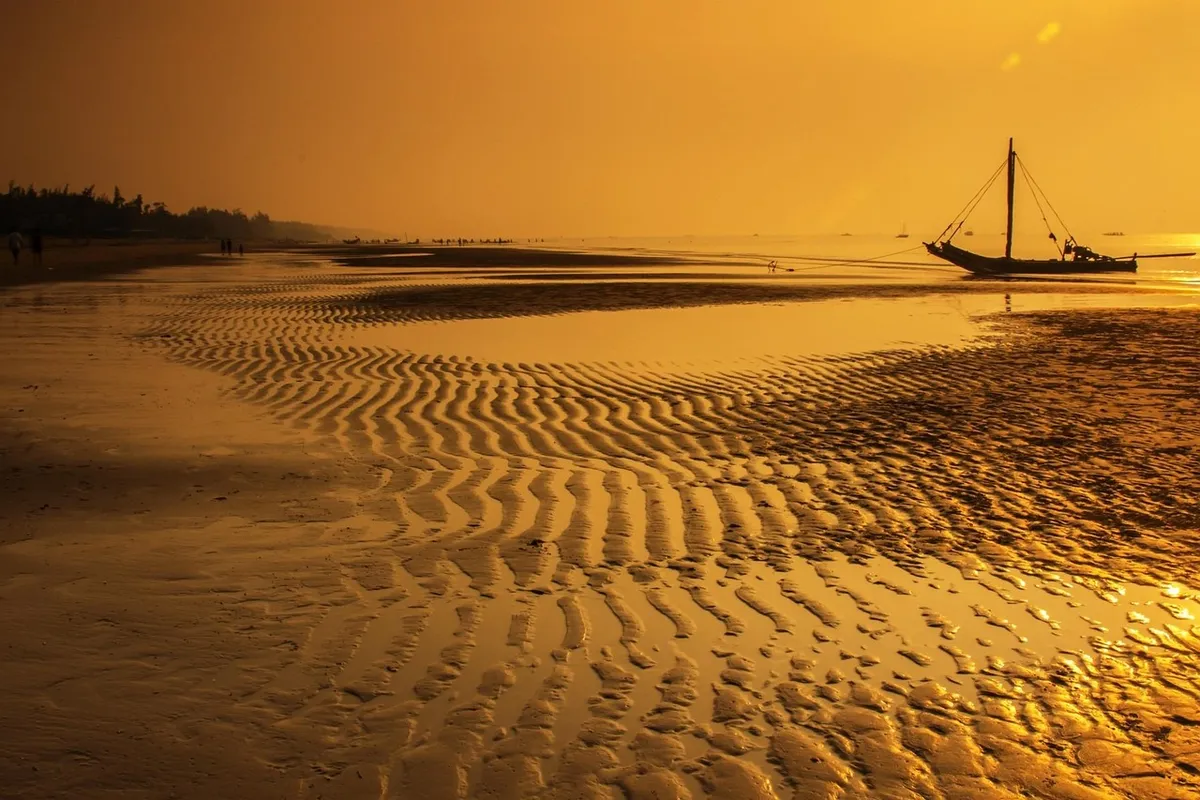
The relationship between the tide and the local geography plays a significant role in successful outings. For example, in areas with significant tidal ranges, the movement can be quite powerful. An optimal tide for ocean catch might be the period just before or after the peak of the tide.
Coastal structures and natural reefs can concentrate fish during certain tidal stages. In some areas, the water may move through narrow channels, creating rapid currents. These conditions require specific gear adjustments to maintain control over your bait or lure.
How does an optimal tide for ocean catch affect gear?
A fisherman pulls a heavy net from the water, feeling the weight of the tide's pull. The gear used must match the strength of the water moving through the area.
The strength of the tide determines the type of tackle and weight required to keep your line in place. Stronger currents might necessitate heavier sinkers to prevent the gear from being swept away too quickly.
Conversely, during calmer periods, lighter gear might be more effective for subtle presentations.
Local geography and tide fishing strategies change based on the depth of the water. In shallow areas, the tide can significantly change the accessibility of certain spots. It is essential to match your equipment to the expected water movement to ensure your bait reaches the target area.
How can local geography and tide fishing impact your results?
A boat navigates through a narrow strait where the tide rushes between two landmasses. The shape of the coastline dictates how the tide flows and where fish might hide.
The interaction between the tide and the seabed can create unique feeding opportunities. Underwater structures like reefs or trenches can cause turbulence, which can either attract or repel certain species. Understanding these interactions is part of mastering the art of fishing.
Fishing gear and tide timing must work in harmony to be effective. If the tide is too strong, your gear might not reach the intended depth; if it is too weak, the fish may be less active. Balancing these elements is key to a productive day on the water.
What are the limitations of tidal prediction?
The sun begins to set over a quiet bay, leaving the future state of the water uncertain. Even with the best charts, nature can introduce unexpected variables.
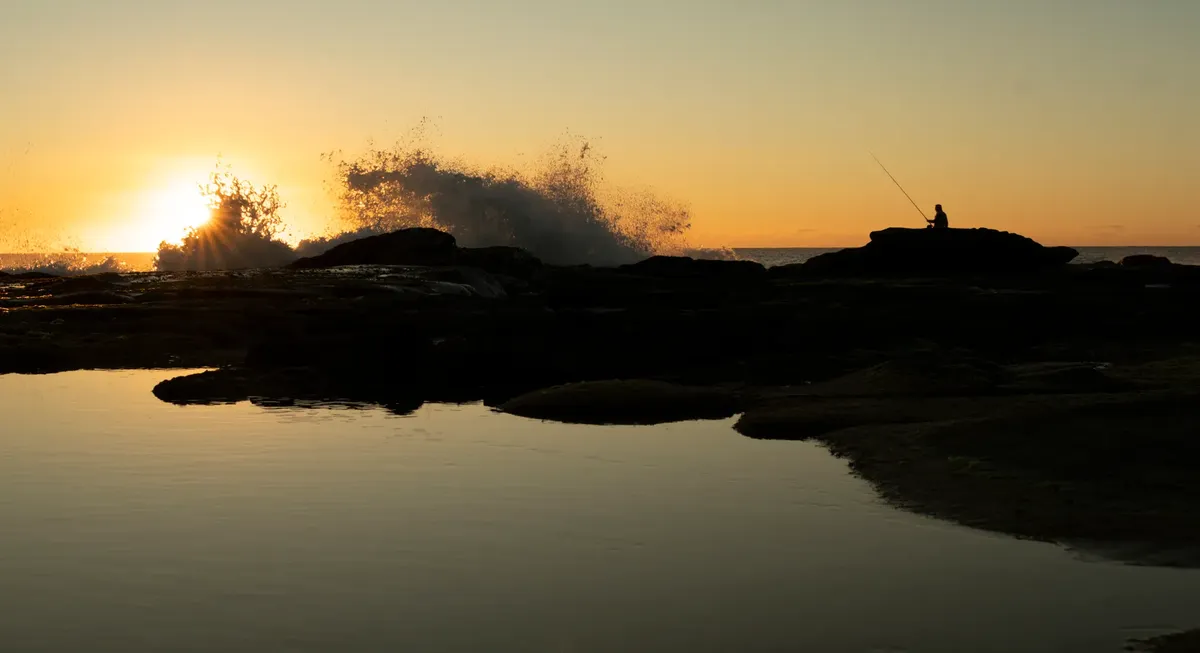
While tidal charts provide a baseline, they cannot account for sudden weather changes or wind-driven surges. A change in barometric pressure or a sudden storm can alter the effective tide and fish behavior. Always remain observant of the actual water conditions on-site.
| Feature | High Tide Influence | Low Tide Influence |
|---|---|---|
| Water Depth | Increases accessibility to deeper structures | May expose shallow reefs or sandbars |
| Current Strength | Often brings more active water movement | Can result in slack water or slower movement |
I noticed during my own coastal trips that the physical sensation of the current can differ greatly from what a printed chart suggests.
A limitation of relying solely on tidal charts is that they do not account for local weather-induced changes, such as wind-driven water levels.
Related
- Seasonal sea fishing gear guide: How to select equipment
- Family freshwater fishing tips: How to manage catch sizes
When is the best time for Finding the best tide for sea fishing? It is often during the transition between high and low tide that the best Finding occurs, because this movement stirs up organic matter. This active water movement carries nutrients and oxygen, which frequently prompts feeding behaviors in marine species. Understanding this timing is key to successful sea fishing.
How does the tide affect habitat accessibility? The tide directly influences the accessibility of certain spots, particularly shallow reefs or sandbars. When the water depth increases during high tide, deeper structures become reachable. Conversely, low tide might expose these features, altering where fish might be found.
Observing the water movement provides crucial insight into the current strength at any given moment. This observation helps the angler gauge the necessary gear adjustments for the Finding.
The relationship between the tide and local geography dictates how powerful the water movement will be in a specific area. Areas with significant tidal ranges will exhibit more vigorous water flow during the tide cycle.

Comments 0