Family sea fishing guide: Guide to kid friendly fishing
"The sea offers a vast classroom for families, but success requires balancing the excitement of the catch with the practical needs of every age group."
Choosing a family sea fishing guide involves matching the environment to the skill levels of your group, ensuring everyone stays engaged without being overwhelmed. This guide covers selecting the right gear, managing group dynamics, and understanding the scope of maritime activities.
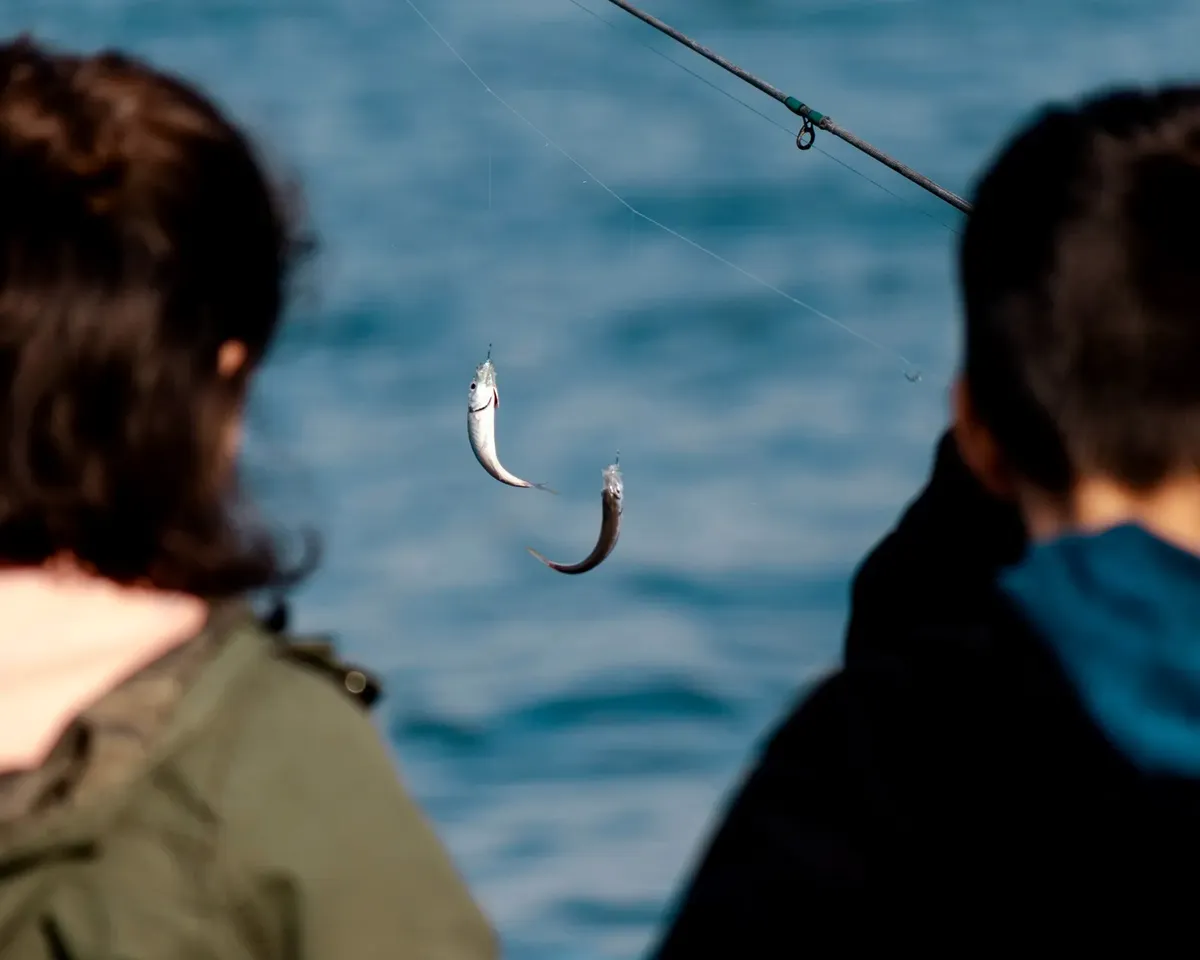
Key takeaways include prioritizing easy-to-use equipment, selecting safe locations, and preparing for varying physical abilities.
How to choose a family sea fishing guide?
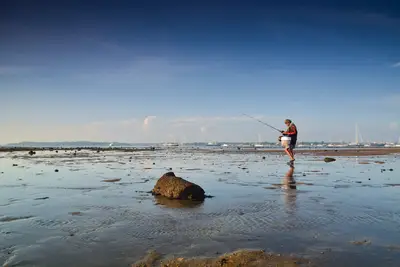
A child reaches for a colorful lure while a parent adjusts a heavy reel in the morning sun. Selecting a proper family sea fishing guide means identifying whether your group prefers pier fishing, boat excursions, or shoreline casting.
The best approach focuses on accessibility and safety. For younger children, stationary pier fishing provides a stable platform and easier access to various species. For adults, more active casting methods might be preferred, but the goal remains keeping the group together.
Planning for locations with minimal tide changes can prevent sudden shifts in difficulty for beginners.
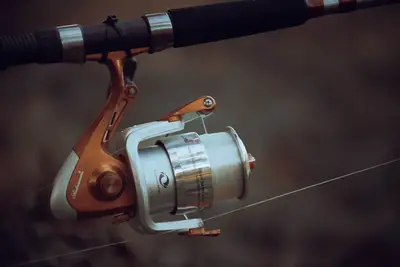
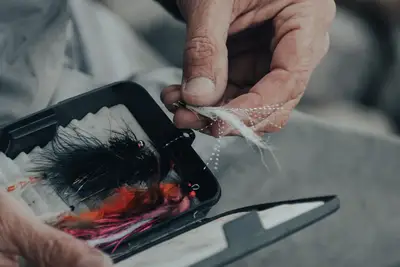
What is the best gear for sea fishing? A heavy tackle box sits open on a wooden deck, revealing a mix of lightweight rods and sturdy reels. Best sea fishing gear should cater to different hand sizes and strength levels within the family unit.
When selecting equipment, prioritize durability and ease of use. Lightweight spinning rods are often easier for children to manage than heavy casting rods. It is helpful to have a mix of gear: one set for the more experienced members and simpler, more forgiving setups for the beginners.
This balance ensures that everyone has a chance to experience the thrill of a tug on the line without struggling with overly heavy equipment.
How to ensure kid friendly fishing?
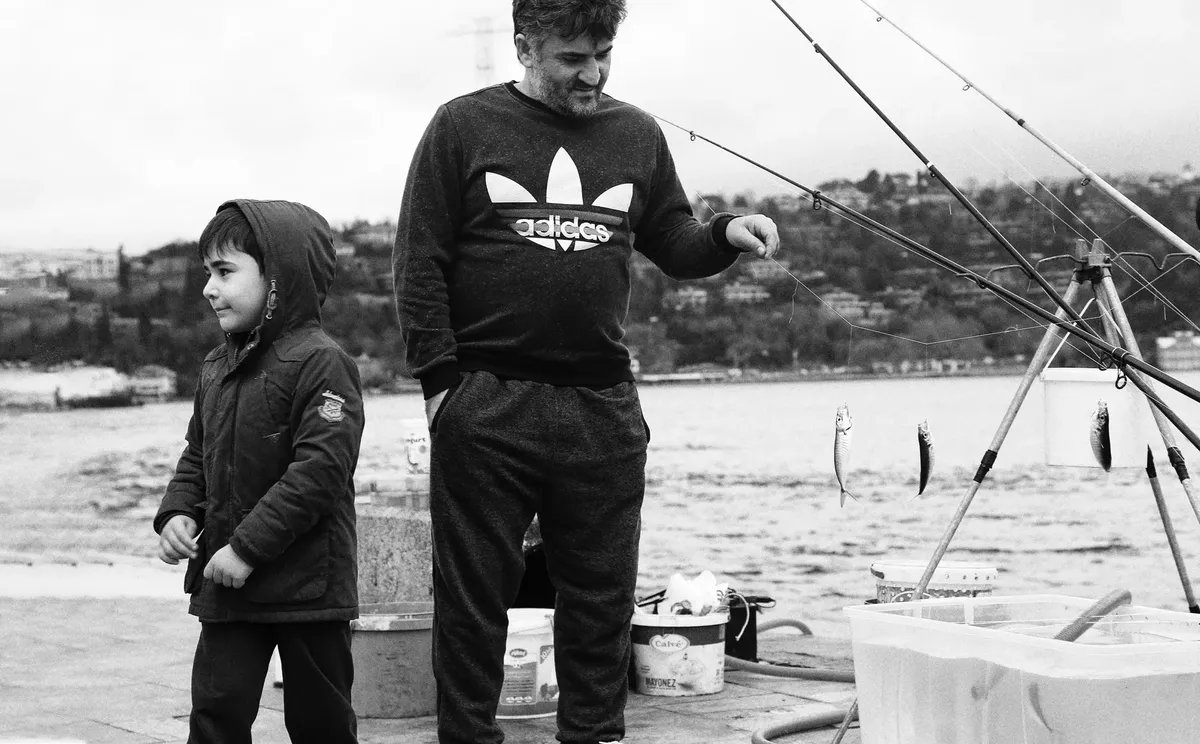
A small hand grips a plastic rod while a parent demonstrates the proper casting motion. Kid friendly fishing involves selecting species that are easy to catch and locations that are secure.
To make the experience successful, focus on high-frequency catch areas where fish are plentiful. This keeps engagement high for younger participants. Using pre-tied rigs can prevent frustration caused by tangles or complex knots.
Additionally, ensure that all gear is sized appropriately for the user to prevent fatigue. Bringing extra bait and simple hand nets can make the transition from catching to landing much smoother for little ones.
How do I start fishing with my family? The sun begins to set as the group gathers gear to pack away. Successful family leisure fishing requires a structured approach to prevent chaos during the outing.
- Select a location that offers both shade and easy access to the water to accommodate all members. 2. Prepare a variety of tackle that matches the target species of your specific coastline. 3. Establish a safety check to ensure everyone has life jackets and sun protection before leaving the shore.
I remember checking the tension on a small reel to ensure it would not snap during a first catch. Following these steps ensures the focus remains on the shared experience rather than equipment failures.
What are the limitations of maritime activities?
A sudden swell hits the pier, reminding the group of the power of the ocean. One limitation of planning a maritime trip is that weather and tidal conditions can fundamentally change the accessibility of a chosen spot.
According to the Food and Agriculture Organization, over 120 million people depend on fishing for their livelihoods, either directly or indirectly.
The effectiveness of any fishing plan depends on the environment. For example, certain species may only be active during specific tidal cycles. If the tide is too low, a pier might become inaccessible, or if it is too high, the shoreline might vanish.
Always have a backup plan or a secondary location in mind to account for these natural shifts.
- How to choose a family sea fishing guide?
- What is the best gear for sea fishing?
- How to ensure kid friendly fishing?
The same subject is also called Family fishing tips.
This part also covers Easy family fishing spots.
This part also covers Beginner sea fishing setup.
This part also covers Safe family fishing trip.
Easy family fishing spots
Related
- Sea fishing tide guide: Best tide for sea fishing tips
- Seasonal sea fishing gear guide: How to select equipment
What are the best ways to manage group dynamics?
Managing group dynamics requires balancing the excitement of the catch with the practical needs of every age group. To keep everyone engaged, you should match the environment to the skill levels of your group. This ensures that younger children can use stationary pier fishing for stability while adults can utilize more active casting methods.
If the group prefers boat excursions or shoreline casting, you must ensure the location offers both shade and easy access to the water. For those with varying physical abilities, selecting locations with minimal tide changes can prevent sudden shifts in difficulty. This approach keeps the focus on the shared experience rather than equipment failures or environmental obstacles.
How to maintain safety during the trip?
Maintaining safety involves performing a regular safety check to ensure everyone has life jackets and sun protection. You should also select locations that offer easy access to the water to accommodate all members. If the tide changes, be aware that a pier might become inaccessible or the shoreline might vanish, requiring a shift to a backup location.
- Perform a safety check to ensure everyone has life jackets and sun protection. 2. Monitor tidal shifts to prevent sudden changes in accessibility. 3. Use appropriately sized gear to prevent fatigue among participants.

Comments 0