Freshwater fishing temp tech: Guide to adjusting gear
"The water is a living thermometer, and the fish are its most sensitive readers."
Understanding how temperature shifts influence fish behavior is the cornerstone of successful freshwater fishing.
This guide explores how to adjust strategies for changing conditions, provides key takeaways for seasonal shifts, and addresses the limitations of biological responses to water temperature.
* Temperature dictates metabolic rates and feeding windows. * Seasonal changes require adjustments in depth and bait presentation. * Understanding biological sustainability is vital for long-term success.
How does temperature affect fish bite?
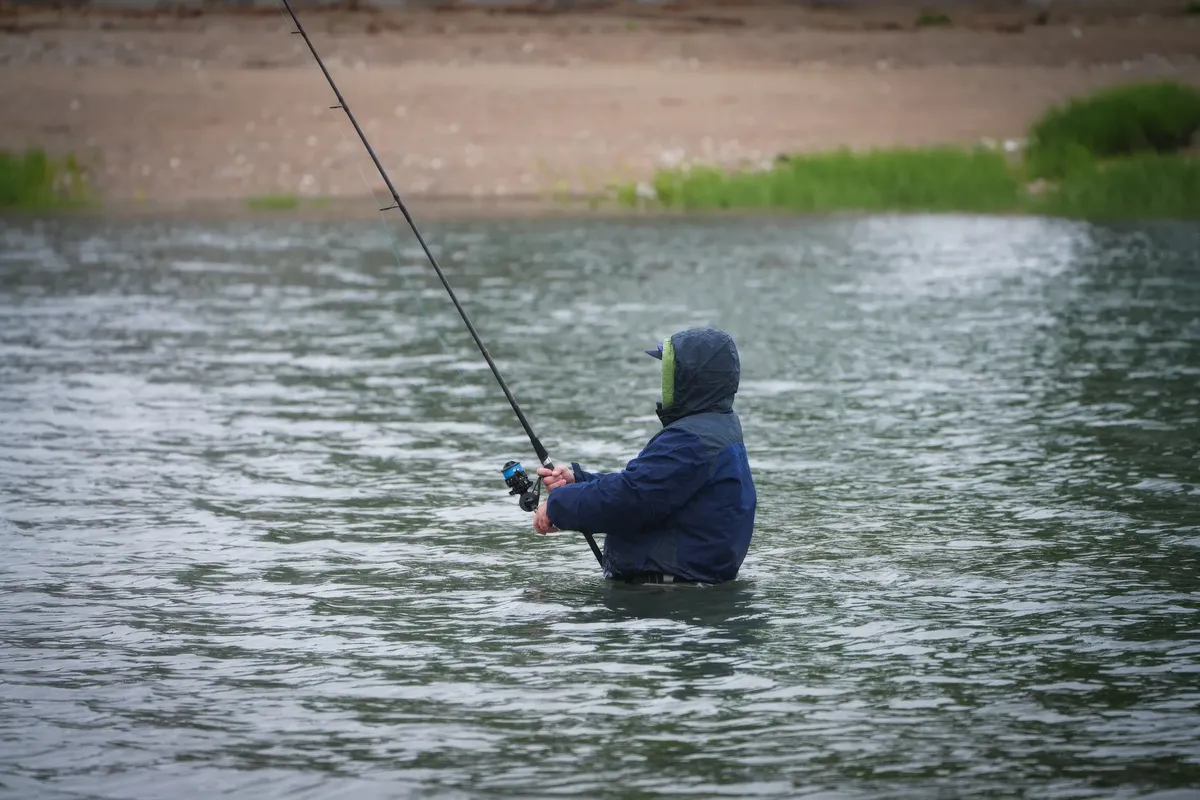
At dawn, I shiver while watching the dark freshwater surface remain unnaturally warm against the biting morning air.
A fisherman stands on a wooden dock, watching the morning mist rise from the still surface of a lake. The air is crisp, but the water remains relatively warm, creating a thermal layer that dictates where the fish congregate.
Understanding how temperature affects fish bite is essential because water temperature directly influences the metabolic rate of aquatic species.
When the water is too cold, fish become lethargic and feed less frequently, while excessively warm water can lead to low oxygen levels and decreased activity.
In many freshwater environments, fish seek specific thermal refuge to maintain their biological functions. Success often depends on finding the narrow band of temperature where fish are most active and likely to strike.
- Monitor the water temperature regularly.
- Identify the preferred thermal range of your target species.
- Adjust your fishing time to match peak activity periods.
How should I adjust my gear for water temperature? Freshwater fishing temp tech
As the sun climbs above the pier, I swap my heavy line for a thinner one to match the rising warmth of the shallow freshwater. A heavy reel sits on a tackle box as the sun begins to climb, warming the shallow shoreline. The angler prepares to switch from deeper lures to lighter, faster-moving options to match the rising activity.
Adjusting gear for water temp involves matching the presentation to the energy levels of the fish. In colder water, slower-moving baits that mimic natural, lethargic prey can be more effective at triggering a strike.
Conversely, as temperatures rise during warmer months, fish often become more aggressive and active. During these periods, using faster-moving lures or deeper-running lines can help target fish that have moved to cooler, deeper waters to escape the heat.
In this sequence, the second step is the most extensive.
What is the best bait for changing temperatures?
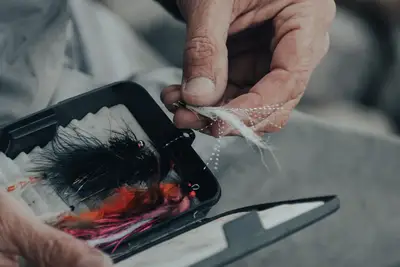
At dusk, I reach into the bucket to select a slow-moving worm to entice the sluggish fish in the cold freshwater. An angler reaches into a plastic bucket, selecting a specific type of bait to match the current water conditions. The choice between live bait and artificial lures depends entirely on the temperature of the water column.

When searching for the best bait for changing temps, anglers must consider the caloric needs of the fish. In cold water, high-protein live bait often works well to entice a sluggish fish to expend the energy required to feed.
In warmer conditions, fish may be more willing to chase artificial lures. However, as the season progresses, the effectiveness of certain baits changes, requiring a constant reassessment of the relationship between water temperature and predator behavior.
Understanding the scope of global fishing
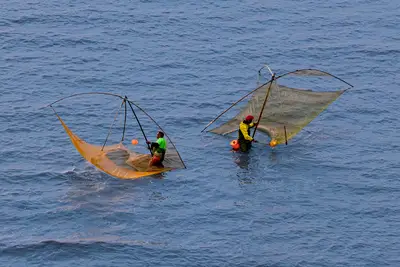
A large commercial vessel moves through the waves, far from the quiet lakes of a recreational angler. The scale of the global industry is vast, encompassing everything from small boats to massive industrial fleets.
The definition of fishing is broad, reflecting its massive global footprint. According to the FAO, it is defined as including recreational, subsistence and commercial fishing, and the harvesting, processing, and marketing sectors.
The diversity of the industry includes various sectors and methods. For example, in 2022, 24% of fishers and fish farmers and 62% of workers in the post-harvest sector were women.
Comparing global fishing fleets
A map of the world shows the distribution of fishing vessels across different continents. The concentration of activity in certain regions highlights the massive scale of global maritime operations.
The distribution of the world fishing fleet shows significant regional concentration.
The world fishing fleet was estimated at at about 5 million vessels in 2024, operating mainly in Asia (72% of the total), followed by Africa (18%), Latin America and the Caribbean (6%), Northern America and Europe (2% each), and Oceania (less than 1%).
The composition of these fleets also varies by technology. Motorized vessels represent more than two-thirds of the global fishing fleet, operating mostly in Asia (80%), which also hosts the largest (53%) non-motorized fleet.
| Region | Estimated Fleet Percentage (2024) |
|---|---|
| Asia | 72% |
| Africa | 18% |
I observed that while the scale is massive, the fundamental principles of understanding water conditions remain constant for all anglers.
Limitations of fish biomass projections
A researcher looks at a digital readout showing declining biomass levels across different oceanic regions. The data suggests a challenging future for the sustainability of global fish stocks.
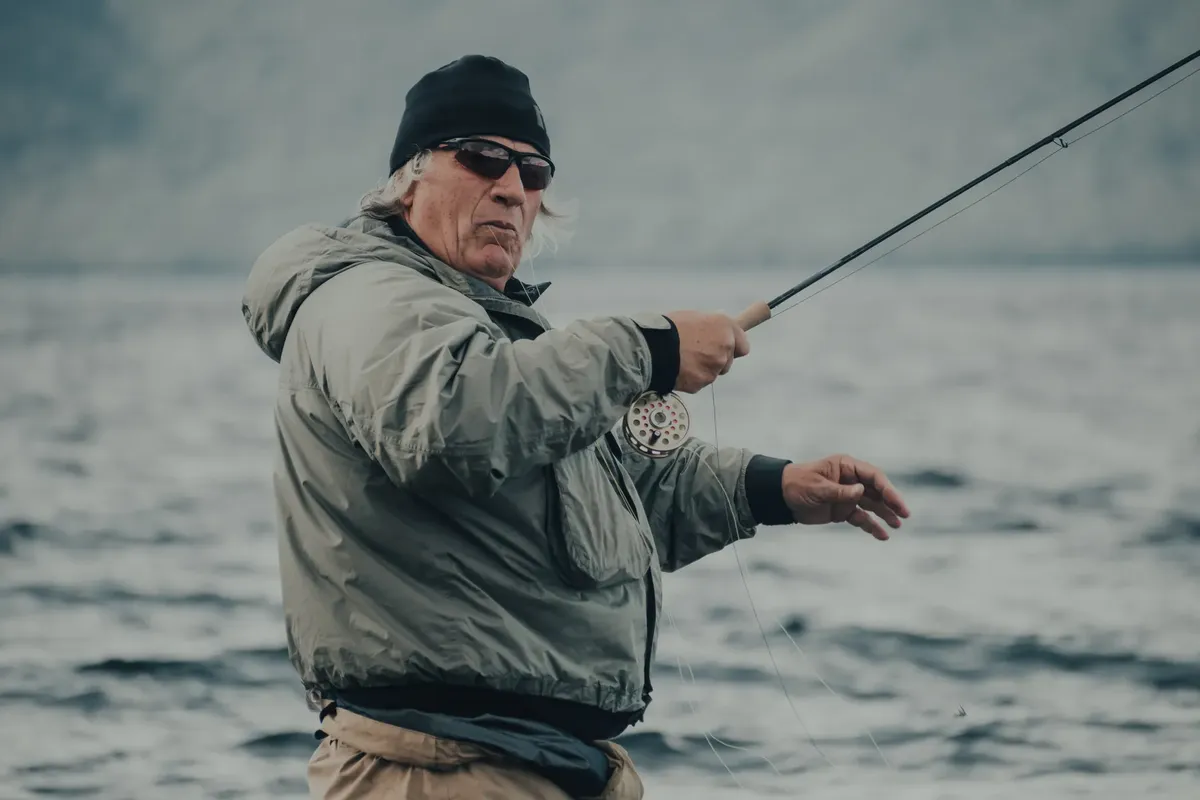
While temperature-based techniques are useful, they are limited by larger environmental trends. Under high emissions scenarios, exploitable fish biomass is projected to decline by over 10% in several regions by 2050.
One limitation to these techniques is that biological sustainability is declining globally. Stocks fished within biologically sustainable levels decreased from 90% in 1974 to 62.3% in 2021.
The subject here is Freshwater fishing temp tech.
The same subject is also called Water temp fishing skills.
The same subject is also called Fishing with temp change.
The same subject is also called Cold water fishing tricks.
The same subject is also called Warm water fishing guide.
This part also covers How temp affects fish bite.
How temp affects fish bite
Related
- What characterizes the shark's teeth and bite?
- Family freshwater fishing tips: How to manage catch sizes
When is the best time to change your approach? When the water temperature shifts significantly, anglers should adjust their presentation to match the fish's current energy state. If the water is rapidly warming, the fish might move to deeper, cooler zones, necessitating a change in lure depth. Conversely, a sudden drop in the water temperature signals a shift toward slower feeding patterns, requiring a bait presentation that mimics sluggish prey.
How does the water's condition relate to global fishing trends? While the localized knowledge of the water is crucial for the recreational angler, the overall health of the water impacts the global industry. Declining fish biomass, which is influenced by environmental factors like temperature, affects the sustainability of commercial operations worldwide. The constant monitoring of the water's state provides a micro-level view of the larger ecological pressures facing the global fishing community.
The water acts as a barometer for both the individual fish and the broader oceanic health.
Maintaining awareness of the water's thermal profile is a constant condition for successful angling.
This understanding of the water's living nature guides all tactical decisions.


Comments 0